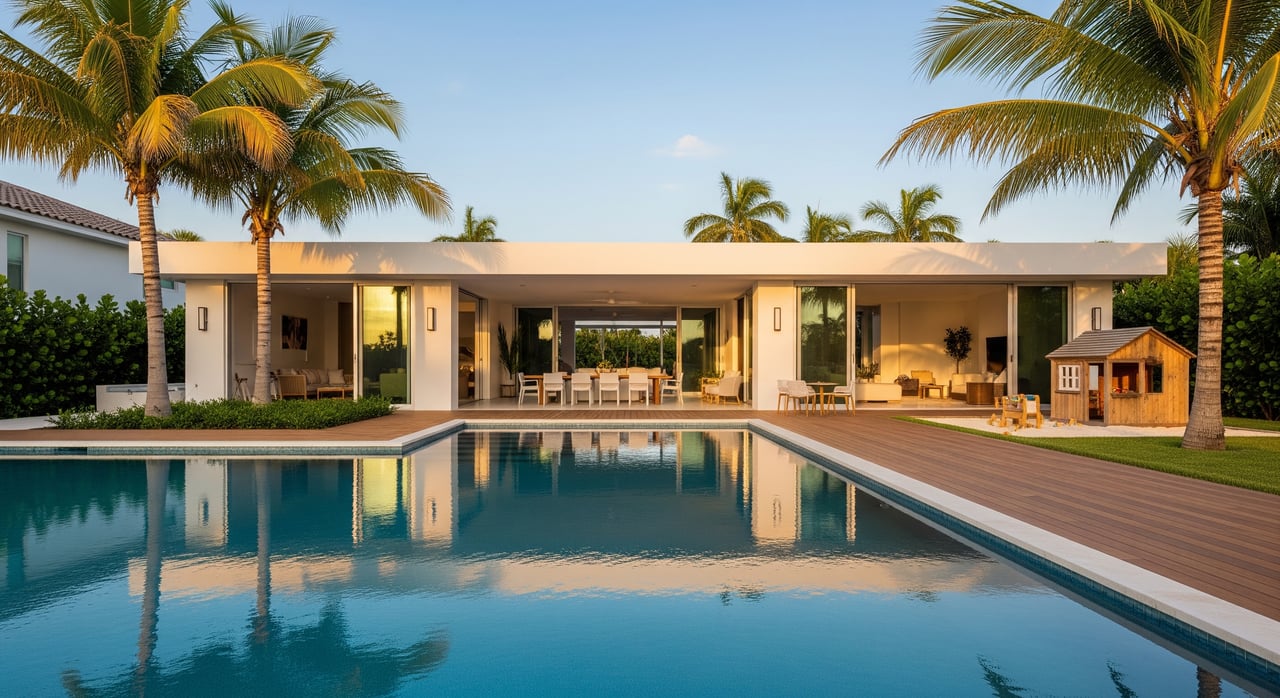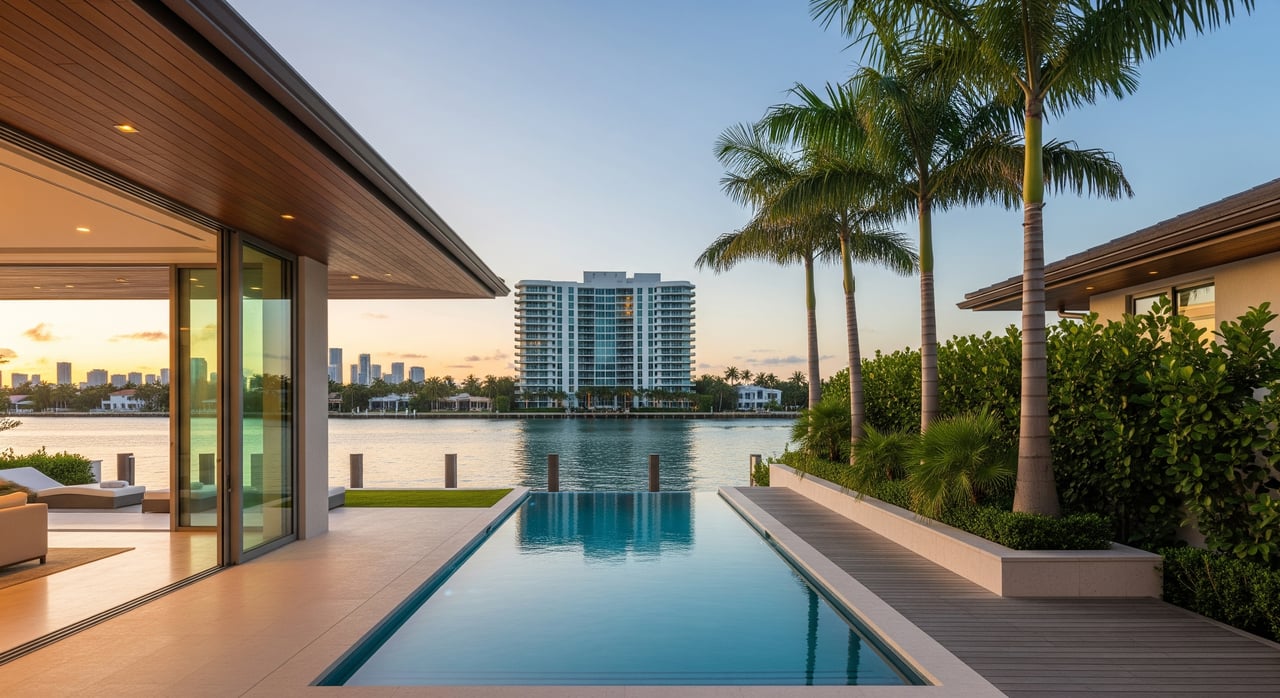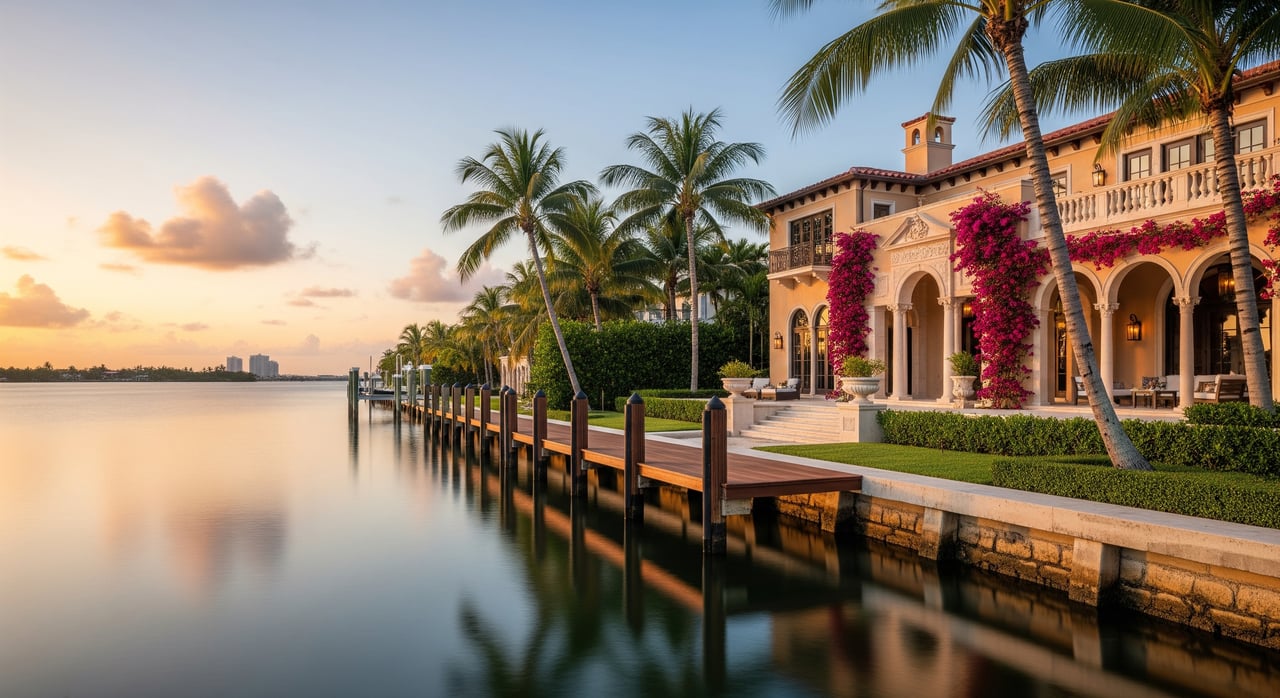
If you are choosing between bayfront and canalfront living in Coral Gables, you are balancing two great options that feel very different day to day. You might picture morning coffee over wide-open water or a protected dock steps from your door. Both can be right for you, but the details matter. In this guide, you will learn the key differences for boating, views, wake exposure, maintenance, insurance, environmental factors, and long-term value so you can buy with confidence. Let’s dive in.
Bayfront vs. canalfront at a glance
- Bayfront: Immediate access to Biscayne Bay, panoramic views, higher wave energy, and typically a price premium tied to open-water exposure.
- Canalfront: Sheltered water, intimate views, and often excellent private dockage with some navigation or bridge considerations to reach the bay.
Boating access and convenience
If you care about time on the water, analyze access first. Bayfront homes usually offer instant entry onto wide water. You avoid canal turns and can head quickly toward the Intracoastal or the islands. For larger vessels, the ability to depart without tight maneuvering can be a daily quality-of-life win.
Canalfront homes in Coral Gables connect to Biscayne Bay through a network of tidal canals. Many routes are straightforward, but your experience depends on the exact lot. You might need to navigate narrower channels, turning basins, or pass under low fixed bridges. Bridge clearance and low-tide depth can shape what you can safely keep at your dock and how often you can go out.
Key checks for your boat:
- Water depth at low tide at your dock and along your route. Confirm safe draft for the vessel you plan to keep.
- Bridge clearances for your air draft if fixed bridges are on your path.
- Dock dimensions and permitted slip size recorded in permits or title. Verify any restrictions before you make an offer.
Bayfront properties typically support larger docks and bigger slips. Canalfront properties can still offer great private dockage but may be closer to neighboring docks and subject to local speed or no-wake zones. Always verify City of Coral Gables and county boating ordinances and any posted markers in your area.
Wake, wave action, and onboard comfort
Open water brings motion. Bayfront locations are more exposed to wind-driven waves and wakes from passing boats in the bay. The longer fetch on the bay means higher energy at the seawall and dock, which can be noticeable when you are boarding or entertaining on the water.
Canalfront locations are usually more sheltered. Narrow channels and surrounding homes reduce wave energy, which can mean calmer conditions at the dock. That said, wakes inside canals can be concentrated and damaging if boaters ignore speed limits. Pay attention to posted zones and local traffic patterns.
Structural implications:
- Bayfront docks and seawalls often need heavy-duty pilings, cleats, and bumpers to handle higher loads.
- Canalfront systems can be lighter in design, but they still need proper maintenance to manage tidal movement and passing wakes.
Views and privacy
If wide horizons matter, bayfront shines. You often get panoramic sightlines across Biscayne Bay with dramatic sunrise or sunset potential depending on orientation. It can feel cinematic from nearly every room that faces the water.
Canalfront views are more intimate and linear, framed by water, landscaping, and neighboring docks. Many buyers appreciate the sense of enclosure and everyday calm. You will likely have neighbors in closer proximity, so your privacy experience depends on setbacks, landscaping, and the canal’s width and curvature.
Public exposure is different as well. Bayfront homes can be visible to boats passing offshore. Canalfront homes are more insulated from broader public traffic, though you will see local boaters.
Maintenance, resilience, and insurance
Waterfront ownership includes proactive care. Property owners are generally responsible for seawall and dock maintenance. On bayfront, higher wave energy typically translates to more stress on structures, so repairs or upgrades may be required more often.
Dock and equipment longevity depend on exposure and construction. Salt spray, UV, and movement accelerate wear. Plan routine inspections of pilings, decking, lighting, and power at the dock, and keep maintenance records.
Flood and insurance factors:
- Both bayfront and canalfront properties are exposed to flooding, storm surge, and sea level rise in Miami-Dade County.
- Your FEMA flood zone and Base Flood Elevation will drive insurance pricing and any retrofit needs.
- Before you make an offer, obtain a current flood insurance estimate and, if available, an elevation certificate. These documents help you understand total cost of ownership and resilience planning.
Environmental factors to weigh
Water quality is dynamic. Canal water can be more prone to stagnation, nutrient runoff, algal blooms, or debris because of restricted circulation. Bay water reflects larger ecosystem trends. Biscayne Bay has seen seagrass losses and episodic algal events in recent years, which have prompted restoration and monitoring efforts.
Natural habitat can affect permitting. Seagrass beds, mangroves, and protected species in bay areas often lead to stricter review for new docks or dock alterations. Expect coordination among city, county, and state agencies for approvals.
What to monitor over time:
- Local water quality reports and advisories.
- Habitat maps for seagrass or mangroves near your shoreline.
- City and county environmental initiatives that influence future permitting and shoreline improvements.
Long-term value and resale
In South Florida, bayfront properties generally command a price premium and broad buyer demand. The combination of open-water views and immediate access drives desirability. That said, canalfront homes often deliver excellent private dockage for the price, especially for active boat owners who value sheltered slips and predictable daily use.
Across both types, several details shape value and resale:
- Dock capacity and entitlements. Buyers pay for usable, permitted slip size and convenient mooring.
- Seawall condition. A sound, well-documented seawall reassures buyers and insurers.
- Elevation and flood exposure. Finished floor elevation relative to BFE influences insurance costs and buyer confidence.
- Privacy and verified navigability. A smooth, safe route to Biscayne Bay is a key selling point.
Looking ahead, sea level rise and more frequent nuisance tidal flooding are real regional dynamics. Insurance markets continue to evolve. On the positive side, ongoing public investment in Biscayne Bay’s health and infrastructure can support long-term desirability. Smart due diligence helps you buy a property with resilience and resale in mind.
Due diligence checklist
Use this checklist for any Coral Gables waterfront home you are considering.
Boating and dock specifics:
- Water depth at the dock and along the route at lowest astronomical tide.
- Vertical clearance under any fixed bridges on the route.
- Recorded dock slip dimensions and permitted vessel length/beam.
- Condition of dock, pilings, and electrical or fuel lines, with maintenance records.
- Any recorded marine easements or riparian rights in title.
Permits, codes, and responsibilities:
- Permitting history for seawall and dock with the City of Coral Gables, Miami-Dade County, and the state.
- Owner responsibility for seawall/dock upkeep and any shared or association arrangements.
- Local boating ordinances, including speed limits, no-wake zones, lighting, and noise rules.
Flood and hazard exposure:
- FEMA flood zone and Base Flood Elevation for the property.
- Elevation certificate and finished floor elevation, if available.
- Any recent flood or storm claims in public records and seller disclosures.
- Current quotes for flood and windstorm insurance.
Environmental and water quality:
- Local advisories or water quality alerts.
- Presence of seagrass, mangroves, or other protected resources that could affect dock changes.
Market context:
- Nearby comparable sales separating bayfront and canalfront.
- Days on market and buyer activity for similar waterfront homes.
Who to consult
- Local marine surveyor or licensed marina contractor to assess dockage, depth, and access.
- Coastal or civil engineer for seawall condition, elevation, and shoreline resilience.
- Certified floodplain manager or surveyor for elevation certificates and flood analysis.
- Permitting specialist or real estate attorney for title, easements, and approvals.
- Flood insurance agent and home insurer for pricing and coverage options.
- A Coral Gables waterfront real estate advisor with deep canal and bay experience.
Choosing the right shoreline in Coral Gables comes down to how you plan to live and boat. If you want dramatic vistas and instant bay access, bayfront may be your match. If you want calmer water and everyday dock usability, canalfront can be a great fit. With the right due diligence, both offer a fantastic Miami waterfront lifestyle.
Ready to compare specific homes, docks, and routes to Biscayne Bay? Book an appointment with Sebastien Sabet for hyperlocal guidance, discreet buyer representation, and, if needed, integrated property management support.
FAQs
What is the main difference between bayfront and canalfront in Coral Gables?
- Bayfront faces open Biscayne Bay with panoramic views and immediate access; canalfront sits on tidal canals with more sheltered water and a navigable route to the bay.
How do I know if my boat will fit and clear bridges from a canalfront home?
- Verify low-tide water depth at your dock and along the route, confirm fixed bridge clearances for your air draft, and check recorded slip dimensions and permits.
Are bayfront docks more expensive to maintain than canalfront docks?
- Often yes, because bayfront is more exposed to wind, waves, and wakes, which can require heavier-duty construction and more frequent repairs or upgrades.
How do flood zones affect bayfront and canalfront insurance costs?
- Both are exposed to flood risk; your FEMA flood zone, Base Flood Elevation, and finished floor elevation drive pricing, so get current flood and wind quotes before offering.
Does water quality differ between Biscayne Bay and interior canals?
- Canals can be more susceptible to stagnation, runoff, and debris due to restricted circulation, while the bay reflects broader ecological trends and restoration efforts.