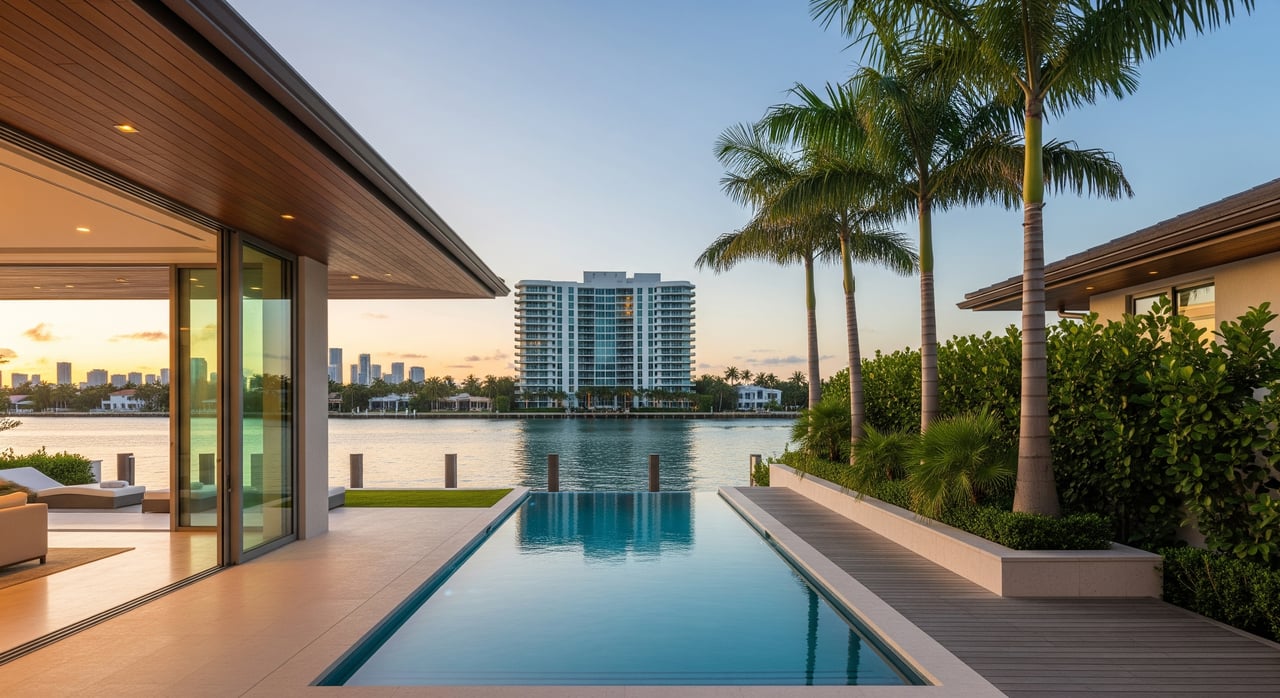
Wondering whether a Key Biscayne condo or a single-family home suits your lifestyle better? You are not alone. On this barrier island, the right choice often comes down to how you live, how you boat, and how hands-on you want to be with maintenance and rules. In this guide, you will learn the real tradeoffs around ownership, insurance, privacy, boat access, HOA control, and rental flexibility, plus a simple decision framework and pre-tour checklist. Let’s dive in.
Key Biscayne context
Key Biscayne is a small coastal village with its own land-use rules and close coordination with Miami-Dade County and Florida agencies. Local zoning, height limits, shoreline projects, and dock permits are regulated at multiple levels. You must plan for reviews that involve the Village, county, and state.
The island is low-lying and exposed to storm surge, high tides, and hurricanes. Flood zones and FEMA maps matter for insurance, renovations, and permits. Whether you buy a condo or a house, factor flood risk and wind mitigation into your due diligence.
Ownership and maintenance
Condos generally shift exterior obligations to the association. Your dues typically fund building systems, common-area landscaping, amenities, security, and the master insurance policy for common elements. You focus on interior finishes, appliances, and your HVAC, subject to the building’s documents.
Expect reserve funding and the possibility of special assessments for capital work like roofs or elevators. Review the association’s budget, reserve study, and recent meeting minutes to understand upcoming projects.
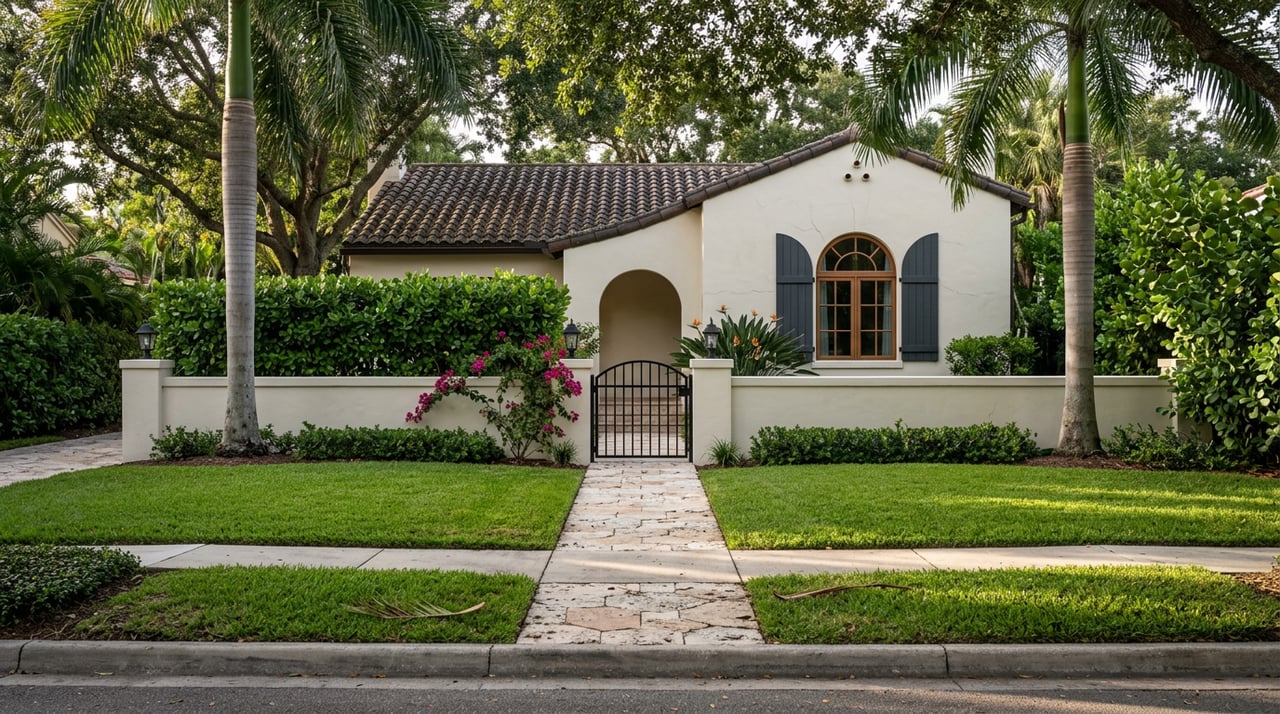
Single-family homes place responsibility squarely on you. That includes roof, exterior, landscaping, private pool, driveway, pest control, and any dock or seawall. In an HOA community you may receive some services, but your scope remains broader than a condo owner’s.
Coastal homes require more frequent maintenance due to salt air and hurricane prep. Budget for routine upkeep and occasional larger projects like roof and seawall work.
Budget and insurance
Condos offer predictable monthly dues that bundle many services. Those dues can be high in amenity-rich buildings, and you should review reserves and the history of assessments. You will also carry an HO-6 policy that covers interiors and contents. Association deductibles for wind can be significant and may be allocated to owners.
Single-family owners obtain full homeowners coverage, often HO-3 or HO-5, plus separate flood insurance if the property lies in a FEMA flood zone. Premiums can be higher near the coast and the private market can be limited, so obtain quotes early. Keep an eye on deductibles and any prior claims.
Privacy and space
Condos typically offer less private outdoor space. Balconies are common and you share walls, floors, and ceilings. Sound transmission depends on construction type, with concrete buildings usually performing better than wood frame.
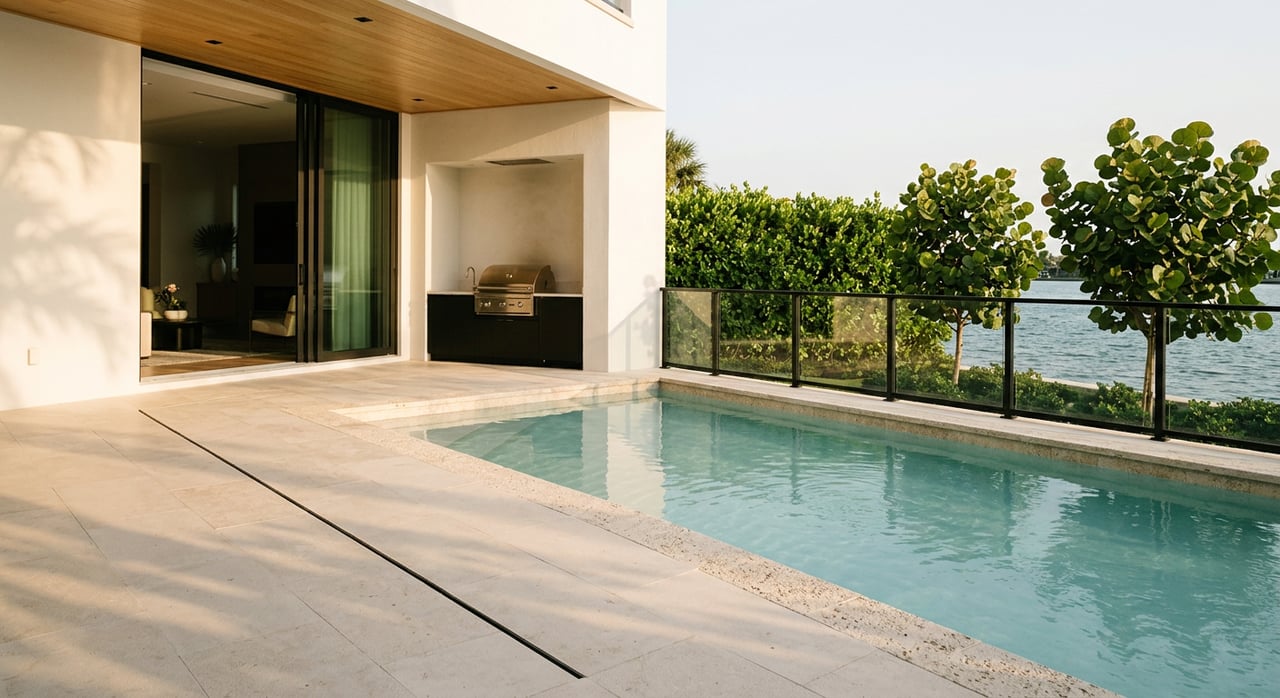
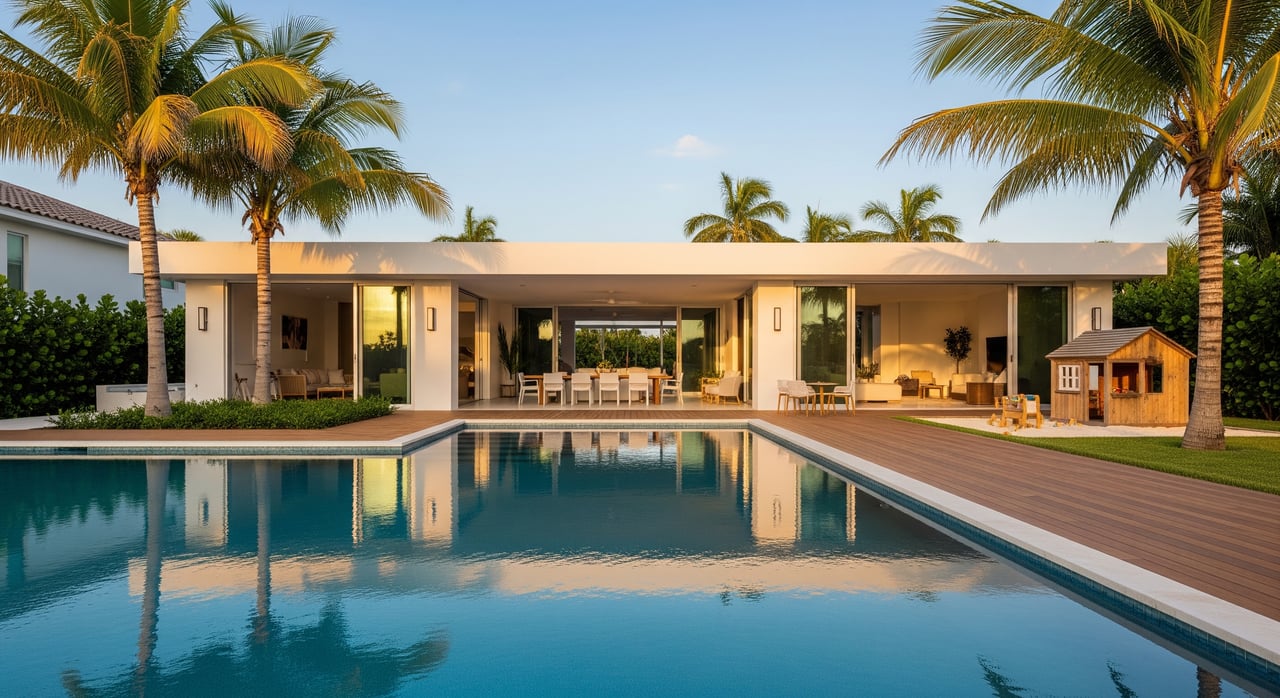
Single-family homes provide yards, private pools, and more freedom to customize, within Village zoning and any HOA covenants. If you value outdoor living and the ability to add features, a house gives you more latitude.
Boating access
If boating is central to your lifestyle, clarify your needs upfront.
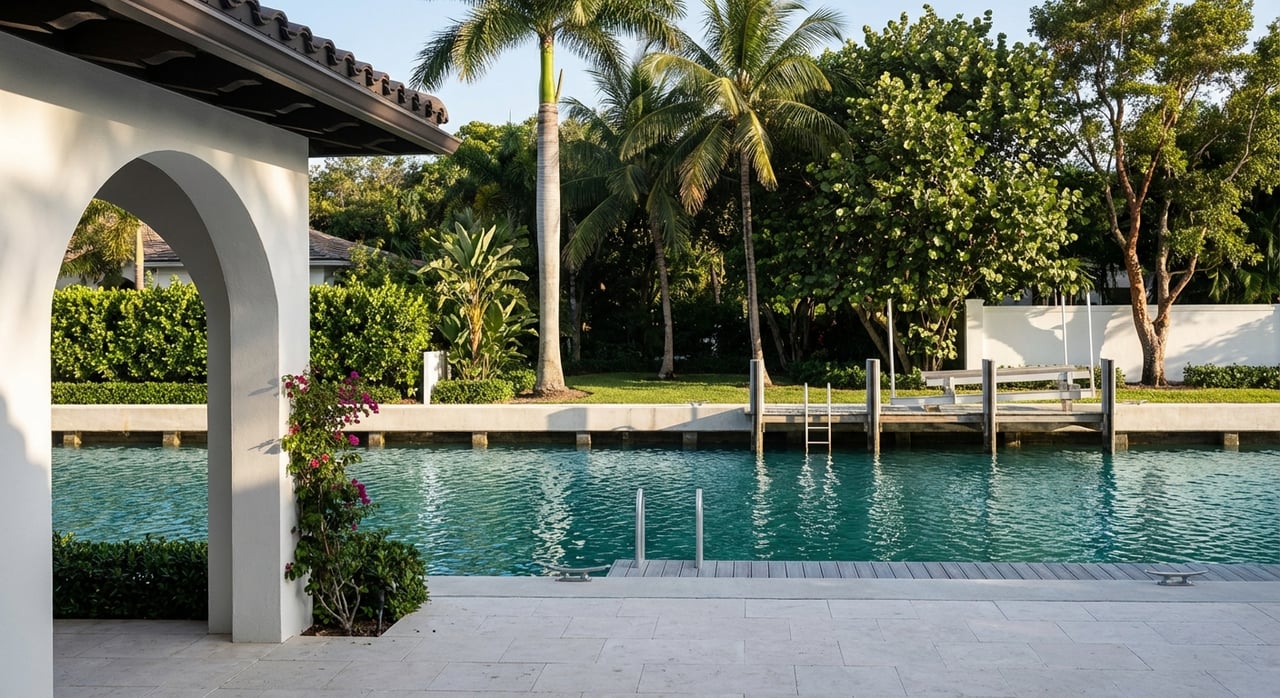
- Waterfront single-family may support a private dock or lift, subject to permits and the site’s environmental conditions. Feasibility depends on lot orientation, depth, and nearby resources like seagrass or mangroves.
- Condo buildings on the water may include slips or a marina component. Slips might be owned, leased, or allocated by waitlist. Availability varies by building, so verify details in the association documents.
- Public marinas in and around Key Biscayne, including county facilities such as those near Crandon Park, can provide slips or launch options. Demand is often high and waitlists may apply.
Docks, seawalls, and shoreline work require local, county, and state permits. Projects affecting navigable waters can also involve federal review. For boat owners, plan for hurricane haul-out, lift capacity, and slip insurance, and confirm any marina storm plans.
HOA control and rentals
Condo associations set and enforce rules covering leasing, pet policies, occupancy, amenity use, and alterations. Many buildings limit short-term rentals with minimum lease terms or caps on the number of rented units. Tenant registration and approval are common, and boards can levy special assessments for capital needs.
Single-family homes inside an HOA may have rules on exterior appearance and community standards. Some restrict short-term rentals. Outside an HOA, owners generally have the most flexibility, subject to Village and county regulations and any lender or insurer constraints.
Municipalities can regulate short-term rentals through registrations, business taxes, minimum stays, and safety standards. Always verify the Village of Key Biscayne’s current code and the property’s association documents before you count on rental income.
Which fits you
- You want low maintenance and amenities. A condo with strong reserves, on-site staff, and secure parking can be ideal. Confirm owner-occupancy levels and governance quality.
- You crave privacy and customization. A single-family home, possibly in a small HOA, gives you a yard, private pool potential, and more control over changes.
- You need dedicated dock access. Waterfront single-family or a condo community with deeded slips is best. If you can rely on county marinas, both property types can work.
- You are a second-home owner focused on income. Many condos restrict short stays. A single-family home may offer more flexibility, but confirm Village rules and neighborhood norms.
- You are a seasonal, lock-and-leave owner. Condos often excel, thanks to bundled services, security, and minimal upkeep while you are away.
Pre-tour checklist
- For condos: current budget, latest reserve study, the past 12 to 24 months of meeting minutes, declaration and bylaws, rules and leasing policy, master insurance policy with deductibles, and any recent special assessments or litigation disclosures.
- For single-family: maintenance records for roof, HVAC, pool, and seawall; septic or sewer status; any HOA covenants; property survey; dock and seawall permits with inspection records.
- For both: FEMA flood zone and flood premium estimates, property tax history and homestead eligibility, recent utility bills if available, recorded deed and easements, relevant municipal rental rules.
- For boaters: slip ownership or lease documents, marina waitlists, coastal permitting files, and any hurricane plans for lift or storage.
- Practical tour checks: noise at different times of day, elevator condition and backup power in condos, assigned and guest parking, storage areas, moisture or salt-air wear, impact windows or shutters, and yard drainage for homes.
Questions to ask
- Has the association issued special assessments recently and what was the purpose and size? How well funded are reserves relative to replacement costs?
- Are there rental caps, minimum lease terms, and how many units are currently leased?
- What are the master insurance deductibles for wind and hurricane, and were owners ever assessed after a claim?
- For homes on the water, what is the age and condition of the seawall, and are permits active or needed for repairs?
- For boaters, how is guest and trailer parking handled, and are there launch restrictions you should know about?
How we help
Choosing between a condo and a house on Key Biscayne is more than a floor plan question. It is a lifestyle and governance choice that affects maintenance, insurance, boating, and rental flexibility. You deserve clear guidance and meticulous due diligence.
With deep island expertise and a hands-on approach, we help you compare buildings and neighborhoods, review association health, coordinate inspections, and obtain insurance quotes early. If you are an absentee owner or investor, integrated property management through Barnes International Management can streamline operations, from tenant onboarding to maintenance oversight. If you are exploring new developments, we also advise on pre-construction options and timelines.
Ready to explore the right fit for your life on the island? Connect with Sebastien Sabet to book an appointment.
FAQs
Can I build a private dock on a Key Biscayne home?
- Possibly, but it depends on your lot, local zoning, environmental limits, and state or federal permits, so verify feasibility with the Village, county, and state before planning.
Do condo boards on the island levy special assessments?
- Yes, associations can levy special assessments for capital repairs under their documents and Florida law, so review reserves, minutes, and assessment history.
Are short-term rentals allowed in Key Biscayne condos?
- Rules vary by building and many set minimum lease terms or caps, so confirm the association’s leasing policy and any Village requirements before relying on rental income.
How does insurance differ for condos vs houses?
- Condos carry a master policy for common elements while you hold an HO-6 for interiors, and houses require full homeowners coverage plus flood if applicable.
Will HOA rules limit interior renovations in a condo?
- Interior non-structural updates are usually allowed, but anything affecting common elements or exterior appearance generally needs prior association approval.