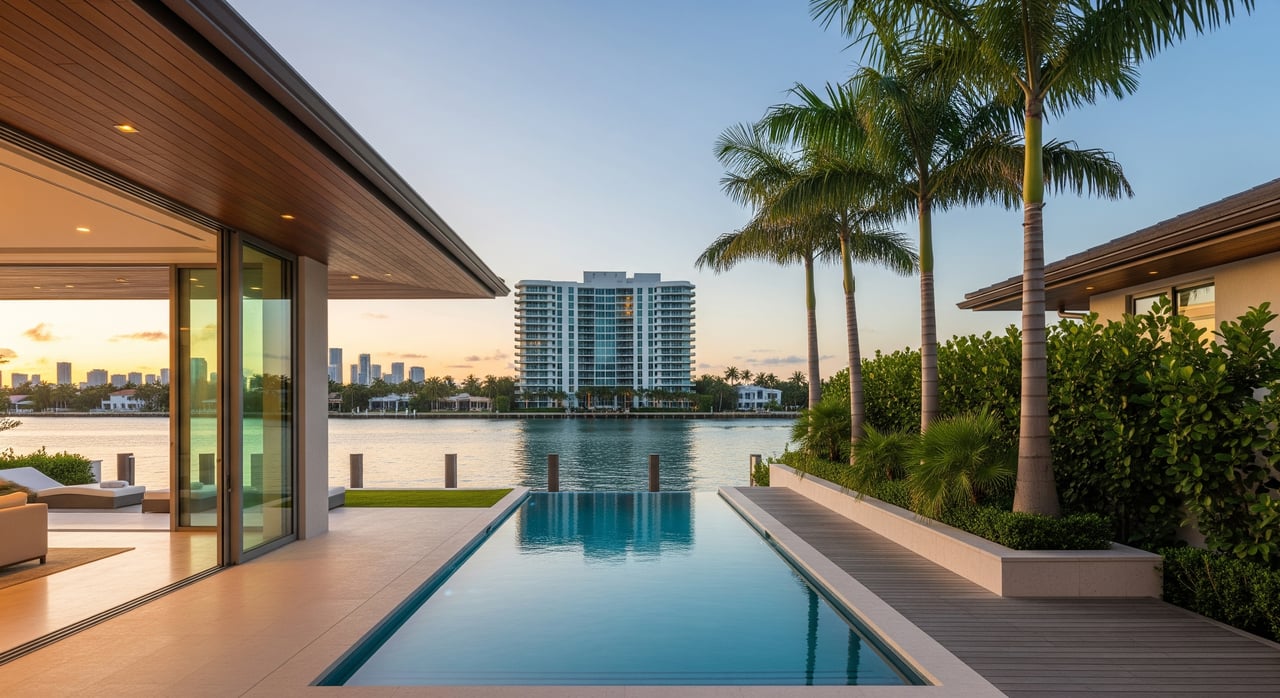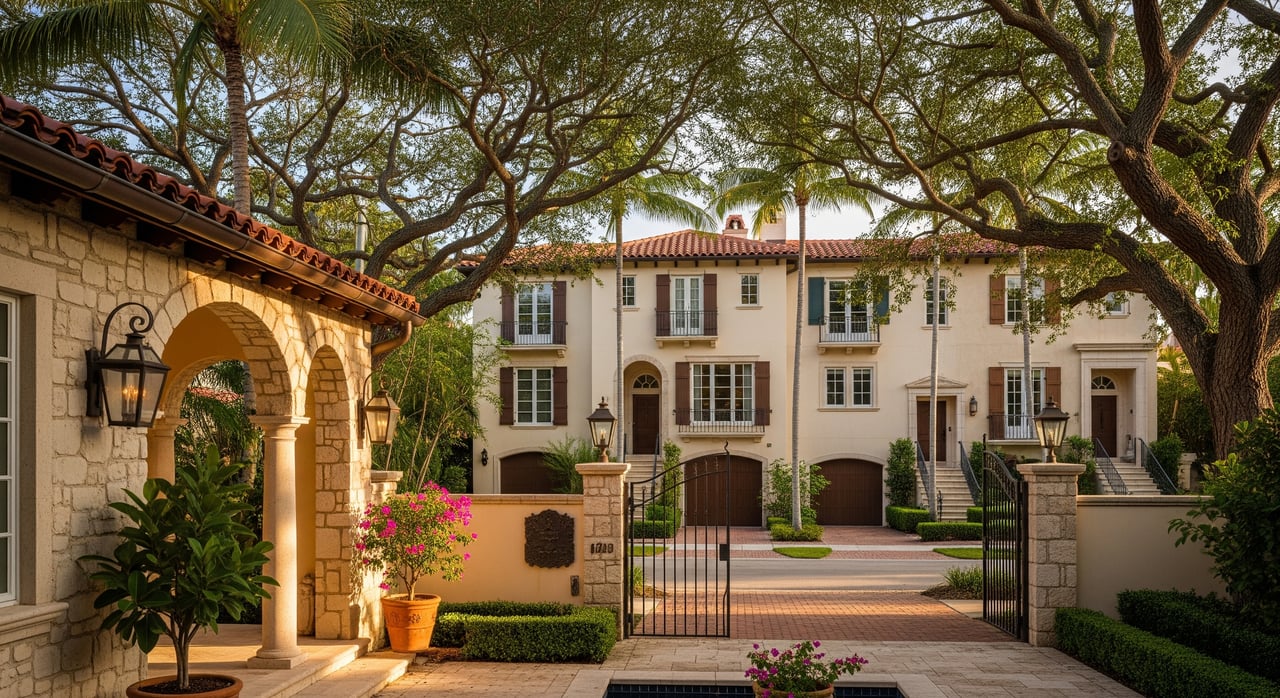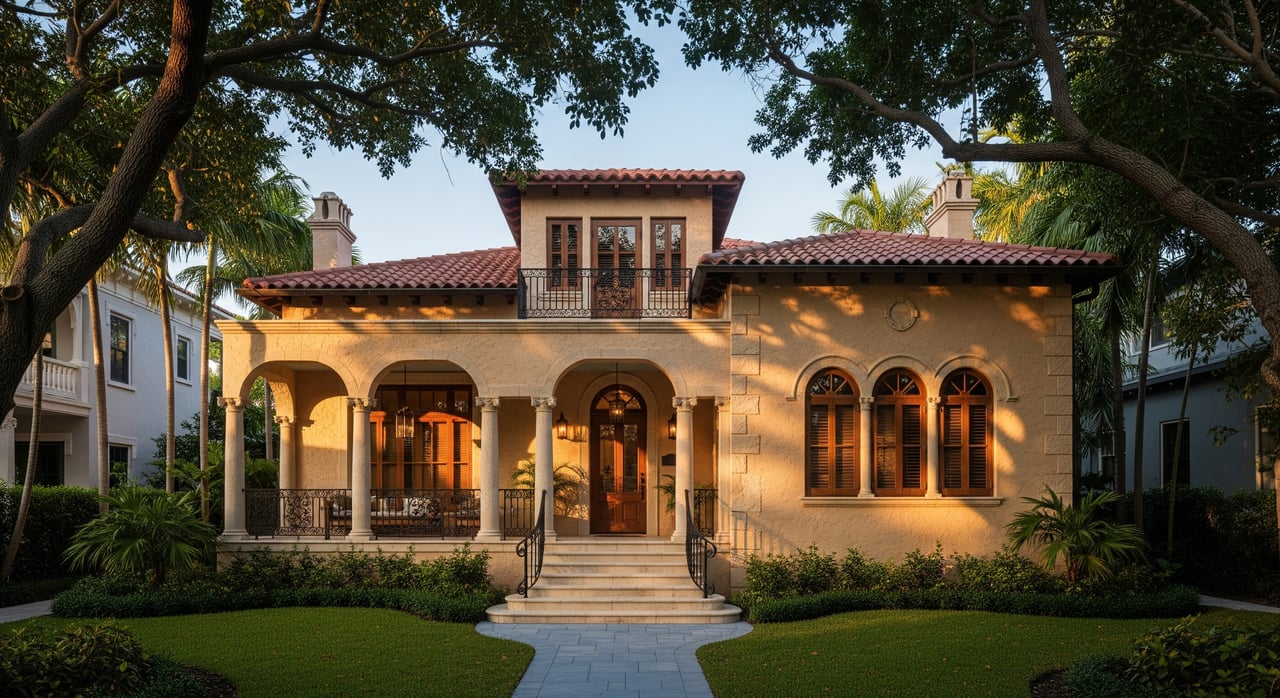
Thinking about a 1930s or 1950s charmer in Morningside? You are not alone. The neighborhood’s period architecture and leafy streets draw buyers who love character and quality. At the same time, historic homes come with unique rules, inspections, and upgrade decisions. This guide shows you how to verify historic status, plan due diligence, and balance preservation with modern living in Miami’s climate. Let’s dive in.
Verify historic status first
Before you fall in love with a façade or a terrazzo floor, confirm exactly how the property is designated. In Miami, the City’s historic preservation office manages local districts, individual landmarks, and Certificates of Appropriateness for exterior work. Some Morningside addresses may sit within a local historic district while others do not. Do not assume. Ask for documentation.
Confirm designations and permits
- City of Miami Historic Preservation Office: request a zoning or historic status letter to learn if the home is in a local district or is individually designated.
- National and state listings: the National Register of Historic Places and the Florida Division of Historical Resources offer recognition that is generally honorific. Local designation is what typically governs exterior changes.
- Neighborhood rules: review any association covenants or deed restrictions that may affect exterior work or additions.
- Permit and COA history: ask the seller and your agent for prior permits, COAs, and approved plans. This helps you gauge past work quality and any conditions that carry forward.
What design controls mean
Local historic district rules usually apply to demolition, additions, and visible exterior alterations. Interior renovations are often less constrained, but you still need permits for electrical, plumbing, or structural work. Expect to submit a Certificate of Appropriateness for exterior changes visible from the street, including windows, roofing, and additions. Approvals focus on compatibility with historic character.
Incentives and grants
Federal historic rehabilitation tax credits primarily apply to income‑producing properties, not most owner‑occupied single‑family homes. Some local programs or grants may exist, but they change over time. Check current City of Miami and Miami‑Dade offerings when you begin planning.
Styles and features to expect
Morningside features a mix of styles that reflect South Florida’s 1930s to 1950s evolution. Knowing the style helps you anticipate original materials, construction details, and the right repair approach.
Mediterranean Revival
Mediterranean Revival and Spanish Colonial Revival are common from the 1920s to 1930s. You will see stucco walls, arched openings, decorative ironwork, and clay tile roofs. These features can be durable when maintained, but clay tiles and stucco repair require experienced trades.
Art Deco and Streamline
Art Deco and Streamline Moderne influences appear with smooth stucco, geometric details, horizontal lines, and glass block accents. Original steel or wood windows are typical, and façade symmetry is often a defining element worth preserving.
Minimal Traditional and Ranch
Minimal Traditional cottages are modest and efficient, often one story with simple porches. Mid‑century Ranch homes and early post‑war designs from the late 1940s to 1950s emphasize low rooflines, larger glass areas, and open plans. In Miami, you may also see MiMo details like breeze blocks and decorative screens.
Materials and systems
Expect stucco over masonry block or wood frame, clay barrel tile or built‑up roofing, terrazzo or hardwood floors, and plaster interior walls. Electrical systems may be undersized by today’s standards, and older homes can have galvanized or cast‑iron plumbing. Central air was often added later and may be due for an efficiency upgrade.
Inspections that matter
A standard home inspection is not enough for a vintage Miami property. Tailor your due diligence to age‑related and climate‑related risks.
Must‑have inspections
- Full home inspection focused on structure, roofing, exterior envelope, and moisture.
- Structural engineer if you see settlement, significant cracks, or large additions.
- Roof inspection by a roofer experienced with tile and older roofing systems.
- Electrical inspection for panel age, grounding, and unsafe wiring.
- Plumbing inspection and sewer scope to check for galvanized or cast‑iron issues.
- Termite and wood‑destroying organism inspection, which some lenders require.
- Mold and moisture assessment if there are signs of water intrusion or humidity concerns.
- Wind and impact protection review to confirm whether windows and doors meet current standards and insurance needs.
- Flood zone and elevation certificate review to understand insurance requirements.
Common issues in Miami vintage homes
Salt air accelerates corrosion of metal connectors, fasteners, and rebar. Stucco can crack or delaminate, trapping moisture. Tile roofs often suffer from failed underlayment or flashing. Electrical systems may be undersized or lack grounding. Galvanized plumbing corrodes, and cast‑iron sanitary lines can deteriorate. Insulation is often minimal, and older HVAC units may be inefficient. Termite damage can appear in framing or trim, and low‑lying sites may show slab cracks or moisture‑related foundation concerns.
Legal and health checks
For pre‑1978 homes, lead‑based paint rules apply to renovation contractors. Asbestos can be present in older floor tiles, pipe insulation, or textured finishes. Florida requires sellers to disclose known material facts, so review the disclosure carefully and follow up with targeted inspections.
Resilience, flood, and insurance
Buying a historic home in Miami means thinking about hurricanes, flood zones, and long‑term resilience alongside style.
Flood zones and elevation
Many parts of Miami‑Dade fall within FEMA flood zones. If a home is in a Special Flood Hazard Area, your lender will likely require flood insurance. Elevation certificates help insurers price policies accurately. Ask for any existing certificate and consider ordering one if needed.
Wind mitigation priorities
Florida’s hurricane codes strengthened over time, so many 1930s to 1950s homes need retrofits. Impact‑rated windows and doors, reinforced roof‑to‑wall connections, and proper shutters are common upgrades. Insurers often offer premium credits for verified wind mitigation features.
Salt and humidity upkeep
Miami’s salt air and humidity increase maintenance demands. Budget for more frequent exterior painting, stucco care, and HVAC servicing. Corrosion protection for metal components and regular roof checks are smart preventive measures.
Plan upgrades smartly
The best projects protect the home’s character while improving safety, comfort, and resilience. Decide which features you want to preserve and where modern performance matters most.
Preserve vs modernize
Character elements like original woodwork, intact terrazzo or hardwood floors, distinctive façades, and original decorative details typically add appeal. Restoring original windows or clay tile roofs can cost more than replacement, but may preserve historic integrity and neighborhood value. Energy efficiency, hurricane protection, updated electrical and plumbing, and modern HVAC often take priority for daily living and insurance.
Permits and COA steps
- Confirm the property’s historic status and collect relevant design guidelines.
- Define your scope. For major exterior work, consult a preservation architect or an architect experienced with local historic review.
- Submit permit applications and, if required, a Certificate of Appropriateness with elevations, materials, and mitigation details.
- Incorporate any conditions after board or administrative review, then secure permits.
- Hire licensed contractors and keep clear records of approvals for future resale.
Pros to engage early
- Real estate agent with historic home and permitting experience.
- Preservation architect or architect with local historic district expertise.
- Structural engineer for additions or structural concerns.
- Licensed general contractor who works with historic materials and local codes.
- Certified lead and asbestos professionals when applicable.
- Insurance broker who understands flood and windstorm coverage for older homes.
Budgets, financing, and timelines
Older homes often reveal surprises once walls open, so plan with realistic ranges and contingency.
Typical cost ranges in Miami
Local bids vary, but here are rough ranges to frame expectations for a smaller single‑family home:
- Impact window and door retrofit: about $20,000 to $60,000.
- Full roof replacement: about $10,000 to $50,000.
- Whole‑house electrical rewire: about $8,000 to $30,000.
- Whole‑house HVAC: about $5,000 to $20,000.
- Kitchen remodel: about $20,000 to $120,000.
Immediate safety and utility upgrades often come first. Roofing, window protection, and structural fixes follow. Interior finishes can be staged to match your timeline and budget.
Financing and insurance strategy
Conventional mortgages are common for historic homes, though lenders may request certain safety items be addressed before closing. Renovation loans such as FHA 203(k) and Fannie Mae HomeStyle can bundle purchase and improvements. Insurance in Miami‑Dade can be expensive for older homes without wind mitigation. Adding impact openings and other retrofits can reduce premiums. If you plan to rent, remember that many incentives and tax credits focus on income‑producing properties.
Timelines and approvals
Small interior updates or an HVAC replacement may take weeks to a couple of months. Window replacement, major exterior work, or structural changes typically need 2 to 6 months or more, depending on design review, permits, and contractor schedules. If a historic board review is required, add several weeks to months for design and approval before permits are issued.
Buyer checklist
Use this practical checklist before you go under contract and during due diligence:
- Confirm any local historic designation and COA requirements with the City of Miami.
- Order a full home inspection and add contingencies for specialized inspections: structural engineer, roof, electrical, plumbing with sewer scope, termite, mold.
- Request seller disclosures, permit history, and any prior COAs or design approvals.
- Check FEMA flood zone status and ask for the Elevation Certificate if available.
- Verify lot lines, easements, and deed restrictions via title work.
- Ask an insurance broker for a preliminary premium estimate and required mitigation items that could reduce costs.
- If you value preservation, get early estimates from a preservation architect or contractor for restoring original features.
- Build a contingency. Set aside 10 to 25 percent of your renovation budget for unforeseen conditions.
Bringing it all together
Buying a historic home in Morningside is as much about stewardship as it is about style. When you verify status early, tailor inspections to Miami’s climate, and plan upgrades that blend resilience with character, you set yourself up for a smooth purchase and long‑term enjoyment. With the right team, you can protect what makes the home special while elevating comfort, safety, and value.
If you want a seasoned partner who understands historic character, permitting, and renovation strategy, connect with Sebastien Sabet. Book an appointment to discuss your goals, compare options, and map your next steps.
FAQs
What does local historic status mean for exterior changes?
- Local historic districts usually require a Certificate of Appropriateness for visible exterior work such as windows, roofing, additions, or demolition. Interior work still needs permits for systems but is often less constrained.
How do I check if a Morningside home is in a historic district?
- Request a status letter from the City of Miami’s historic preservation office, review county property records, and ask the seller or agent for prior permits and COAs. Do not rely on assumptions.
Are there tax credits for restoring an owner‑occupied historic home?
- Federal historic rehabilitation tax credits generally apply to income‑producing properties, not most single‑family residences. Check the City of Miami and Miami‑Dade for any current local programs.
What inspections are most important for 1930s–1950s homes in Miami?
- Focus on structure, roof, electrical, plumbing, termite, and moisture. Add a wind mitigation review, a sewer scope, and a flood zone and elevation certificate review for insurance planning.
How much should I budget for unexpected issues?
- For older homes, a 10 to 25 percent contingency on your renovation budget is prudent due to hidden conditions that may appear after demolition.
Can I install impact windows in a historic home?
- Policies vary by property and district. Many programs permit impact windows if they match the historic appearance or are installed in a way that maintains the original look. Confirm with the City before ordering.