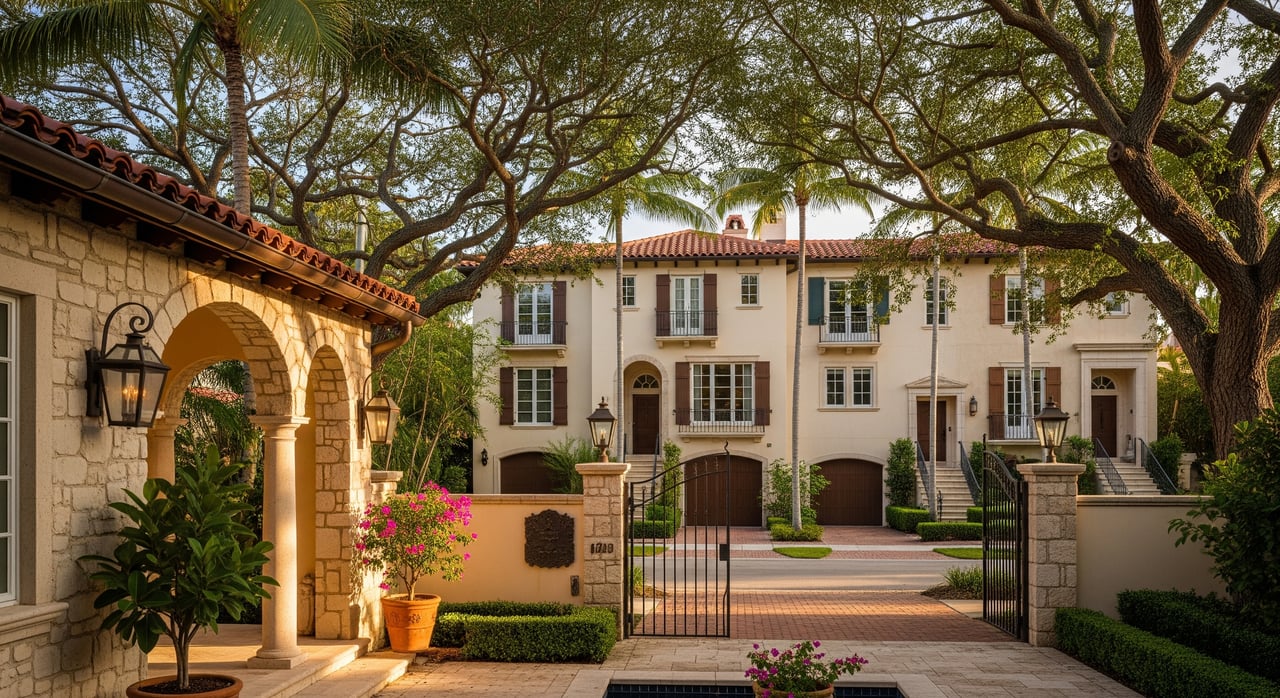
Are you deciding between a single-family home and a townhome in Coral Gables? You are not alone. Buyers here often weigh privacy and land against convenience and lower upkeep. This guide gives you a clear, Coral Gables–specific look at ownership, financing, costs, HOAs, local regulations, and resale so you can choose with confidence. Let’s dive in.
Coral Gables at a glance
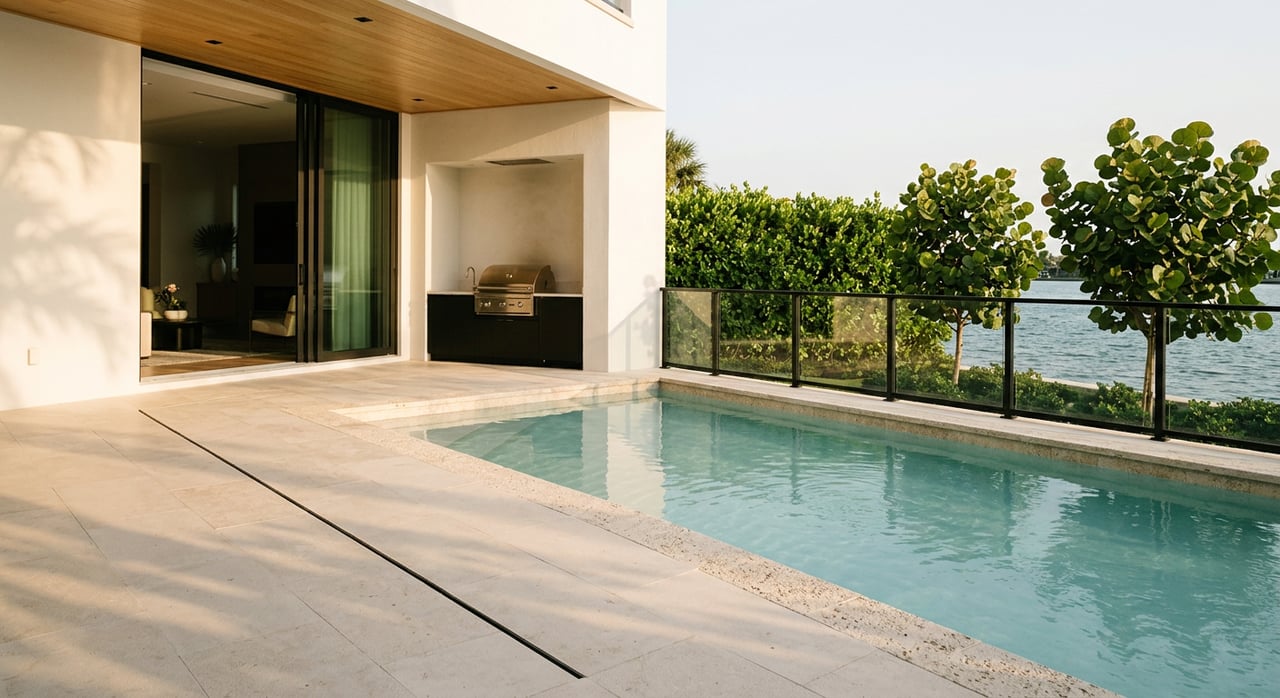
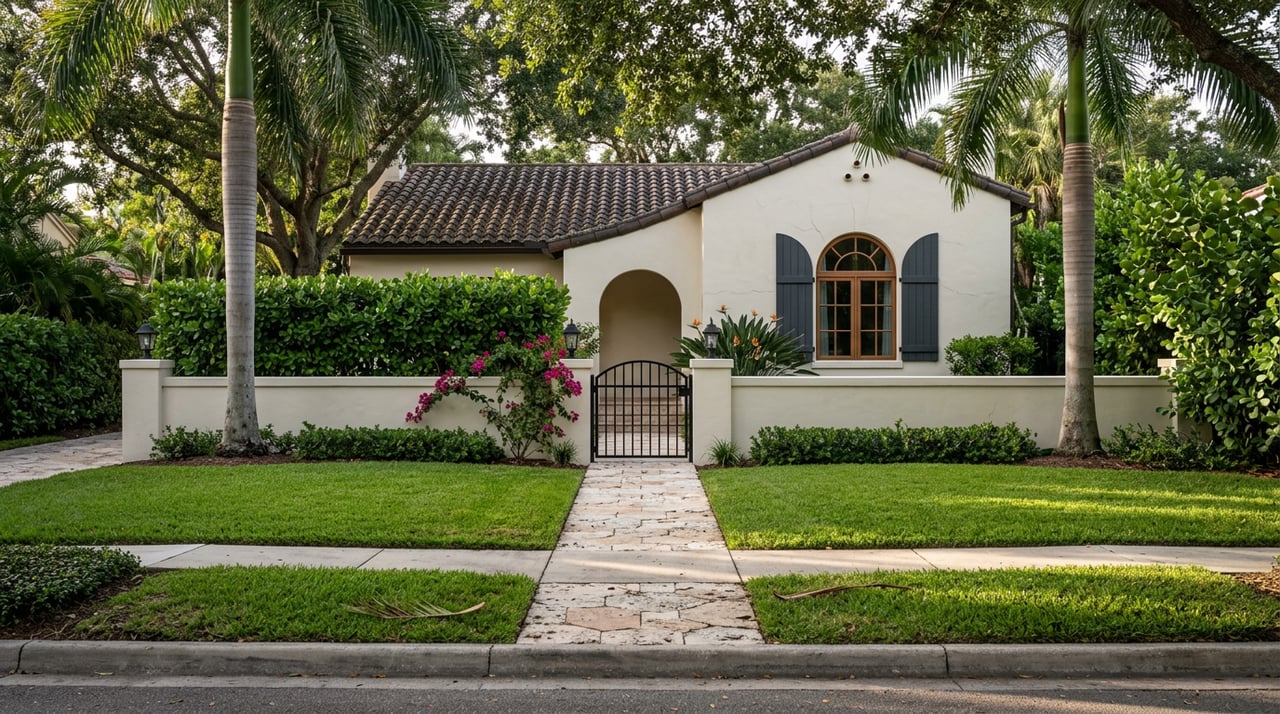
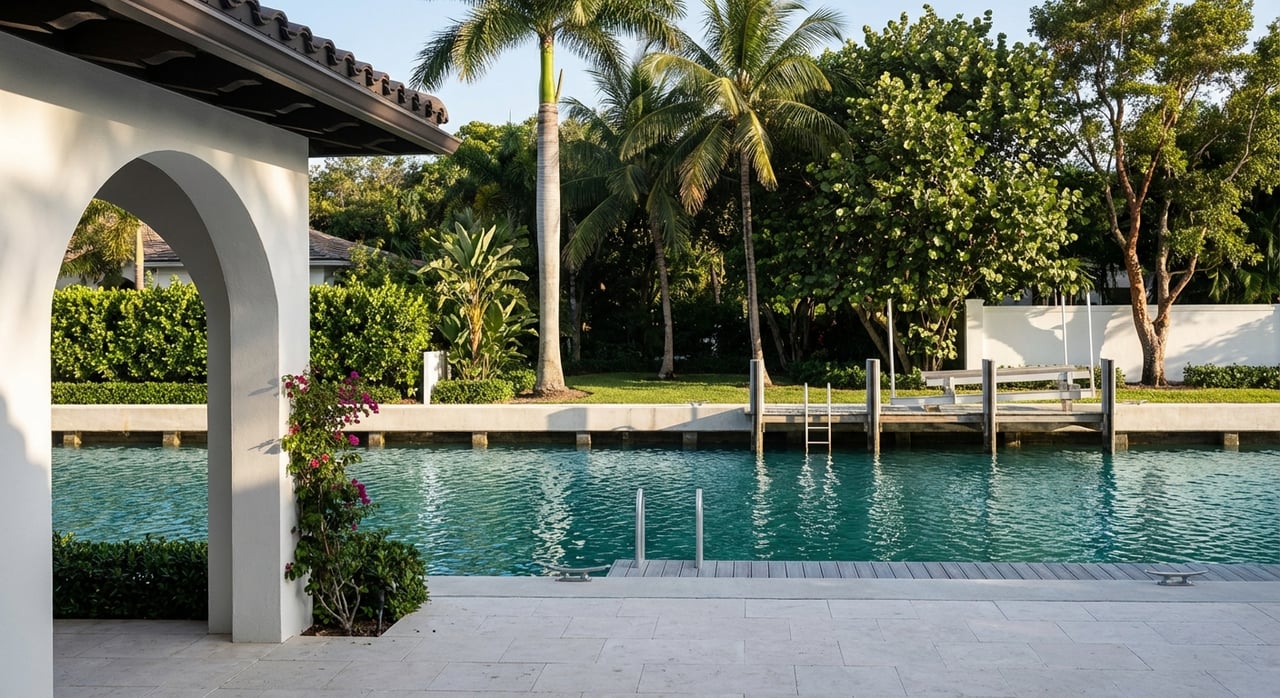
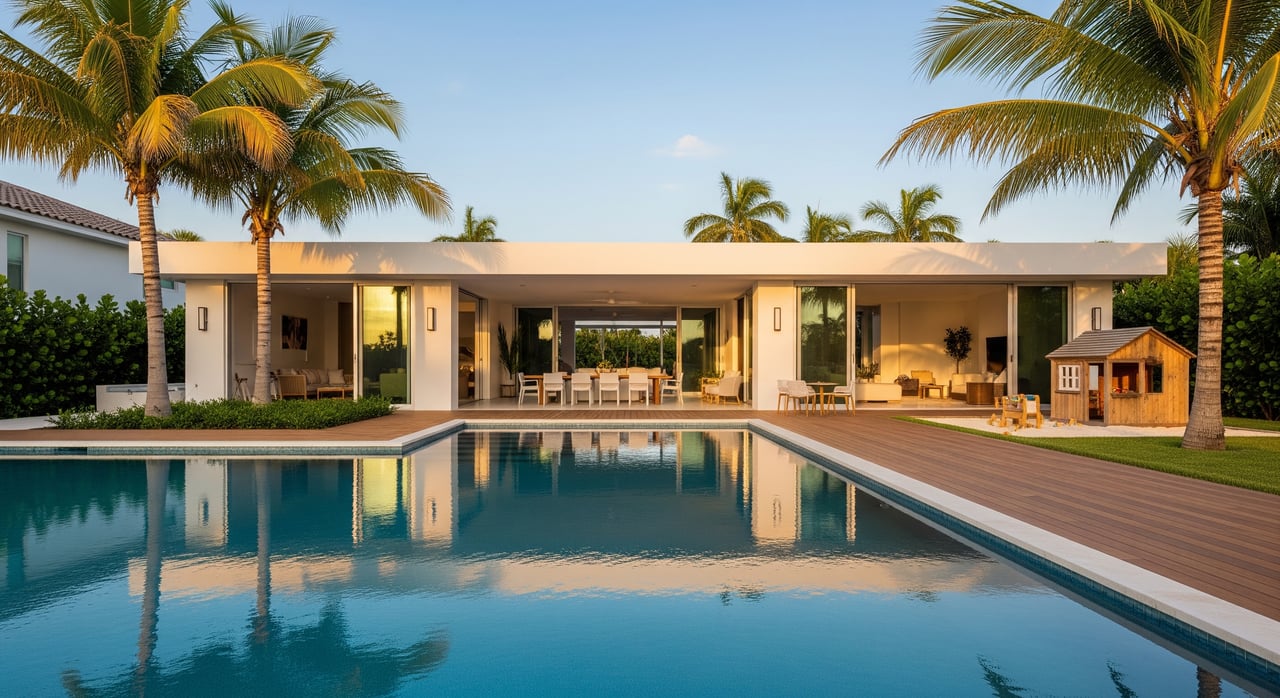
Coral Gables is one of Miami-Dade’s most established markets, known for tree-lined streets, historic architecture, and vibrant commercial hubs like Miracle Mile and Merrick Park. Many sub-neighborhoods feature classic single-family homes, including Mediterranean Revival properties and waterfront estates. Townhomes and other attached homes tend to cluster near downtown Coral Gables and along major corridors where walkability and amenities are close by.
Prices and inventory shift with the market. Single-family homes often command higher median prices because of land, lot size, and privacy. Townhomes usually come in at lower price points relative to single-family and can be popular with buyers who prefer a lock-and-leave lifestyle. For current numbers like median prices or days on market, check the Miami Association of Realtors, Southeast Florida MLS, or the Miami-Dade County Property Appraiser before you compare options.
Ownership basics you need to know
Single-family homes
You typically own the land and the structure in fee simple. You handle all exterior and interior upkeep, property taxes, and insurance. You also control most decisions about the property, subject to city codes, zoning, and any HOA if you buy in a gated community.
Townhomes in Coral Gables
Townhomes come in two common structures that affect your responsibilities and your financing:
- Townhome as condominium: You own the interior of your unit and share an undivided interest in common elements. The association manages the roof, exterior, and common areas. You carry an HO-6 policy for the interior and personal property.
- Fee-simple or PUD townhome: You own the unit and often the lot or a limited yard area. An HOA manages common spaces. Financing and insurance are often closer to single-family treatment.
Confirm which structure applies early in the process. The form of ownership affects your lender’s underwriting, your insurance, and which repairs you control.
Why it matters for financing
Lenders treat condominiums differently from fee-simple homes or PUD townhomes. If the townhome is in a condo regime, your lender will review the project’s reserves, owner-occupancy ratio, litigation, and delinquency levels. Some loan programs have project approval requirements that can limit options or change down payment needs. Fee-simple or PUD townhomes are typically easier to finance, often similar to single-family underwriting. Ask your agent to write your contract with a contingency that lets you confirm the ownership type and project status before you proceed.
The real monthly cost, not just the price
Property taxes
Taxes are assessed by Miami-Dade County. Coral Gables values are often above the county average, so it pays to review a specific property’s tax history with the Miami-Dade Property Appraiser. If you plan to claim the Florida Homestead Exemption, you could reduce your taxable value. Always review exact figures for the home you are considering.
Insurance in a wind and flood market
South Florida’s wind and flood exposure plays a major role in costs.
- Single-family homes: You typically carry a homeowner’s policy that includes wind coverage and liability. If the home is in a Special Flood Hazard Area, your lender will require flood insurance. Roof age, impact windows, and other wind-mitigation features can affect premiums.
- Townhomes in a condo association: The association usually carries a master policy for the building exterior and common areas. You purchase an HO-6 policy for the interior, improvements, and personal property. Clarify whether the master policy is all-in or bare-walls to know your exact responsibility. You may also need separate flood coverage depending on the building’s location and lender requirements.
Insurer availability changes over time in Florida. Some owners rely on Citizens Property Insurance when private markets are limited. Before you make an offer, request insurance quotes for homeowner and flood coverage and ask the HOA for master policy details and deductibles.
HOA fees and what they cover
Most townhomes have HOA fees. Some single-family homes in gated communities do too. HOA costs vary widely based on services and amenities. Fees often include exterior maintenance, roof reserves, landscaping, pool, security, common utilities, and sometimes bulk cable or internet. Since HOA dues can be a large part of your monthly housing cost, include them in your affordability plan.
Maintenance and reserves
- Single-family: Budget for roof maintenance and eventual replacement, exterior paint, landscaping and tree care, pool equipment, irrigation, termite control, driveway and fencing, and seawall upkeep if waterfront.
- Townhome: The association typically handles exterior care, roofs, landscaping, and shared amenities, which lowers direct effort but increases monthly dues. You have less control over timing and design choices.
Special assessments can occur when associations face major repairs or budget shortfalls. Review reserve studies and recent meeting minutes to gauge future risk.
A simple monthly worksheet
Use this quick framework to compare specific properties side by side:
- Mortgage principal and interest
- Property taxes (from the county record)
- Insurance (homeowner or HO-6) and flood
- HOA dues
- Maintenance reserve (set aside monthly for repairs and replacements)
Add these line items to see your true monthly cost. This method is more reliable than comparing list prices alone.
HOA rules and how they shape daily life
Documents to review during due diligence
Ask for a complete HOA or condo packet and review:
- Declaration of Condominium or CC&Rs, plus bylaws and articles
- Current budget, reserves, and the most recent reserve study
- Master insurance certificate and deductible schedule
- Recent board and annual meeting minutes
- Litigation disclosures, delinquency reports, and any planned special assessments
- Rules and regulations, rental restrictions, pet policies, parking allocations, and architectural guidelines
Red flags to watch
- Very low reserves relative to upcoming capital needs
- Ongoing or recent litigation involving the association
- High delinquency rates or large special assessments in recent history
- Missing or sparse minutes, frequent board turnover, or unclear records
Lifestyle rules that matter
In Coral Gables, both city codes and HOA rules can influence exterior paint, landscaping, additions, and visible equipment. Confirm renovation approval processes and timelines before you commit to a project. Parking is crucial in denser locations near downtown. Make sure assigned spaces, guest parking, and street permit rules fit your routine. If you plan to rent at any point, read rental rules carefully and verify current city and county regulations for short-term rentals.
Resale and long-term value
Buyer pools
- Single-family homes: Often attract buyers seeking land, yards, private pools, expansion potential, and flexible outdoor living. This can include move-up buyers planning for more space and long-term use.
- Townhomes: Appeal to downsizers, busy professionals, and buyers focused on convenience and proximity to amenities. Some investors consider townhomes if rental policies allow.
Appreciation and liquidity
In Coral Gables, long-term appreciation for single-family homes is often driven by land value and limited supply. Waterfront and historic properties can show resilience over time. Townhome appreciation is more project-specific and tied to the association’s quality, location, and marketability to targeted buyer segments. Small projects with few units may trade less frequently, so pricing and preparation matter.
Renovations that help your sale
- Single-family: Exterior improvements, landscaping, curb appeal, pool resurfacing, and documented hurricane mitigation can pay off at resale.
- Townhome: Interior upgrades, fresh finishes, and thoughtful staging typically move the needle most. Coordinate any exterior changes with HOA rules to avoid delays.
Local rules and climate factors
Historic preservation and zoning
Parts of Coral Gables fall within historic districts or are subject to preservation review. Exterior changes to historic properties often require permits and approvals, and there can be limits on significant remodels. Zoning controls lot coverage, setbacks, and use, which matters if you plan an addition or accessory structure. Confirm a property’s status with the City of Coral Gables before you finalize plans.
Flooding, sea levels, and preparedness
Coral Gables and Miami-Dade face coastal flooding, storm surge, and king tide events. Review FEMA flood maps and ask for an elevation certificate when needed. Flood zones and elevation impact insurance and long-term risk. Consider resilience measures like improved drainage, elevated equipment, or flood vents when you evaluate a home.
Hurricanes and building codes
Florida building codes set wind-mitigation standards that can reduce insurance costs. Features like impact-rated windows, newer roofs with proper tie-downs, and reinforced garage doors can lower risk and premiums. Be mindful that permitting and contractor timelines can lengthen after major storms or during market booms.
Which fits your life right now?
Move-up buyer snapshot
You want space, privacy, and room to grow. A single-family home offers control over your property, outdoor living, and the ability to add or reconfigure as needs change, subject to zoning and local rules. Expect more hands-on maintenance and the need to budget for big-ticket items. If you value freedom to renovate and private outdoor space, single-family often fits.
Downsizer snapshot
You want convenience, walkable amenities, and less upkeep. A townhome near downtown Coral Gables can deliver a lower-maintenance lifestyle, with HOA coverage for roof and exterior, plus access to nearby dining and services. Expect monthly dues and association rules that shape renovations and rentals. If lock-and-leave simplicity matters, a townhome is appealing.
A quick self-test
- Do you prefer private outdoor space and more control over design choices? Consider single-family.
- Do you want minimal exterior maintenance and predictable shared costs? Consider a townhome.
- Are you sensitive to monthly cash flow? Calculate the full cost including insurance and HOA before deciding.
- Do you plan to renovate? Check historic status, zoning, and HOA guidelines early.
- Might you rent in the future? Review rental rules and city regulations.
Your due diligence checklist
Use this list as you compare properties:
- Confirm ownership type: fee simple, condo, or PUD townhome
- Ask your lender about condo project approval requirements where applicable
- Obtain insurance quotes for homeowner or HO-6 and flood
- Review HOA budget, reserves, minutes, insurance, litigation, and planned projects
- Verify flood zone and request an elevation certificate if needed
- Inspect roof, HVAC, exterior, pool, irrigation, and, if waterfront, seawall
- Check City of Coral Gables zoning and historic overlays for renovation limits
- Ask about special assessments history and upcoming capital projects
- Clarify parking, guest parking, and storage rules
Next steps in Coral Gables
Start with clarity on ownership structure and financing, then layer in insurance and HOA realities. Confirm current market numbers through the Miami Association of Realtors or the Miami-Dade Property Appraiser before comparing list prices. If you are weighing renovation, factor in historic review and zoning early to avoid surprises. For absentee owners or investors, evaluate property management solutions to keep operations seamless.
If you want a local, boutique-level plan with international reach, connect with Sebastien for a calm, data-informed path forward. Book an appointment with Sebastien Sabet to compare specific Coral Gables properties, run true monthly cost scenarios, and map your next move.
FAQs
What costs should I compare for single-family vs townhome in Coral Gables?
- Compare mortgage, property taxes, insurance and flood, HOA dues, and a monthly maintenance reserve to find the true monthly cost.
How hard is it to get a mortgage for a Coral Gables townhome?
- If the townhome is a condo, lenders review the project’s reserves, occupancy, and litigation, which can limit programs. Fee-simple or PUD townhomes are often simpler to finance.
How do flood and hurricane insurance differ between options in Coral Gables?
- Single-family owners insure the full structure and may need flood; townhome owners buy HO-6 for interiors while the association carries a master policy. The net cost depends on location and policy details.
Are renovations easier in a single-family home than a townhome in Coral Gables?
- Usually yes for single-family, but historic preservation and zoning can limit scope. Townhomes add HOA approvals, timelines, and exterior restrictions.
Which has better resale potential in Coral Gables?
- Single-family homes often show stronger long-term appreciation due to land value and limited supply. Townhomes can sell well in amenity-rich locations and to buyers seeking low maintenance.