Curious how buyers reserve a Miami condo years before it exists? You are not alone. Pre-construction in Downtown Miami can deliver brand-new design, strong amenities, and early pricing, but the process is different from a traditional resale purchase. In this guide, you will learn each step, what deposits to expect, how financing usually works, and the key due diligence items that protect your interests. Let’s dive in.
What pre-construction means
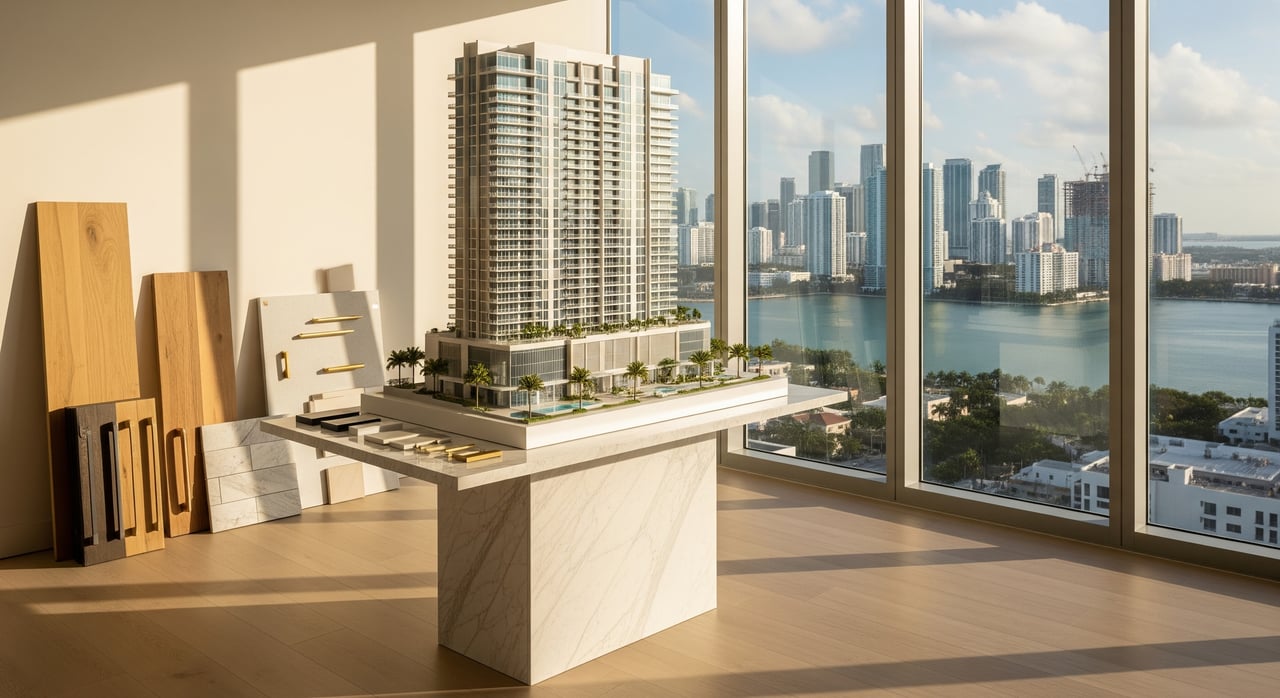
Pre-construction, sometimes called off-plan, means you agree to buy a condo before the building is finished. You purchase based on plans, renderings, and the developer’s materials. The price and deposit schedule are set up front, and many details are finalized as construction progresses and condominium documents are recorded.
Compared with a resale, you pay staged deposits rather than a full mortgage now. Your financing typically happens at closing once the building is near completion. Ownership, HOA operations, and occupancy come later, after approvals.
Stages from reservation to closing
Reservation
You first place a reservation deposit to hold a specific unit. This is often modest and can be refundable, but the amount and refund rules vary by project. The reservation gives you a window to proceed to contract.
Contract and deposits
You then sign the purchase and sale agreement and make your first contract deposit. Total deposits before closing in many Miami projects commonly range from 10 to 30 percent of the purchase price. Payments are usually staged by milestones or time intervals. Confirm who holds the escrow and the exact refund and forfeiture conditions in writing.
Construction milestones
As the building rises, you make the scheduled deposits and monitor progress. Developers identify milestones in the contract, such as groundbreaking, structural levels, and substantial completion. Expect potential delays from permitting, supply chains, weather, or financing.
Closing and turnover
Closings occur after required approvals and certificate of occupancy are issued. You fund the balance, often with a mortgage if the project is eligible and approved by your lender. After completion, the condominium association operates under developer control for a period before full owner turnover.
Typical timelines from contract to closing range from 18 to 48 months in Miami. Contracts outline how extensions and delays are handled.
How deposits and pricing work
Deposit structure
- Reservation deposit: commonly modest, tied to a short reservation window.
- Contract deposits: staged to reach a total of about 10 to 30 percent before closing, depending on the project and unit type.
- Final balance: paid at closing, either with cash or a mortgage if available.
Deposit refundability depends on the contract. Reservation deposits are often refundable if you do not proceed within the stated period. Contract deposits are typically refundable only under specific contingencies, such as certain disclosures, financing provisions if allowed, or developer default. Read the contract closely and confirm escrow details.
Early pricing and incentives
Developers price in tiers. Early buyers often see lower prices or incentives like upgrade packages or closing cost assistance. Incentives usually come with conditions, such as timelines or use of preferred vendors. Pricing often adjusts upward as absorption increases.
Financing options at closing
Many buyers plan to obtain a conventional mortgage at closing, but lender requirements apply to condo projects. For example, some programs require that the building meet eligibility criteria at the time of closing. Newly formed condominiums are not always eligible for government-backed loans initially. Outcomes vary:
- Some buyers close with a conventional mortgage if the project qualifies in time.
- Others use developer financing or alternative funding.
- You should verify project eligibility with your lender early and keep checking status as construction advances.
If the project does not meet lender criteria by your closing date, you may need to provide more cash or find different financing.
Costs to plan for
Carrying costs
After closing, you can face HOA dues, insurance, and property taxes even if you do not move in right away. Review the initial HOA budget and how assessments are calculated.
Insurance and flood exposure
Most Downtown Miami buildings face wind and flood risk. Flood insurance and windstorm coverage can be significant line items. Ask for insurance estimates during due diligence and confirm building elevation and coverage plans.
Closing costs and taxes
Florida documentary stamp taxes, recording fees, title charges, and lender fees usually apply at closing. If you plan to assign your contract to another buyer, structure and local rules can trigger taxes or fees. Consult a local title attorney and tax advisor.
Contracts and your rights
Key documents
Expect to review a reservation agreement, the purchase and sale agreement, and the condominium declaration with bylaws and the initial budget. Developers in Florida provide offering materials and disclosures for new condominium projects. You should receive the relevant disclosures before signing.
Rescission and contingencies
Florida law and project disclosures can include limited rescission rights or review periods. Contracts may include financing and document review contingencies, though some are limited or excluded in pre-construction. You also want clarity on what happens if the developer does not deliver within contract time frames. A Miami real estate attorney can confirm your specific rights and deadlines.
Assignments in Miami
An assignment lets you transfer your contract to a new buyer before closing. This is common in pre-construction but entirely controlled by the purchase agreement. Some developers permit assignments, sometimes with a fee, while others restrict or prohibit assignments until certain milestones. Assignment strategies can carry tax and transfer cost consequences. Get legal and tax advice before you plan to assign.
Construction, delivery, and warranties
Approvals and occupancy
Contracts should spell out the closing window and what counts as substantial completion. Certificates of occupancy are needed before move-ins begin. Amenities can be delivered in phases, so check what will be available at first occupancy.
Punch list and warranties
You will have walk-throughs to create a punch list of items to correct. Developers often provide express construction warranties, such as one year for workmanship or longer durations for systems and structural components. The coverage terms and duration vary by builder and should be in your documents.
HOA turnover and reserves
Developers usually control the association at first, then transfer control to owners when thresholds are met. At turnover, finances, insurance, and reserves are key topics. Since 2021, building safety, reserve funding, and inspection regimes have faced heightened attention in South Florida. Ask how reserves are funded at turnover, how future inspections will be handled, and how budgets anticipate maintenance.
Compare Downtown Miami projects
Use this checklist to evaluate projects side by side:
- Developer and builder record
- Past Miami-Dade projects, litigation history, and construction financing support.
- Pricing and deposits
- Total deposit, timing, refundability, and cash outlay before closing.
- Unit deliverables
- Square footage definitions, finish packages, appliance brands, parking and storage.
- Amenities and operating costs
- Amenity list, staffing plans, projected HOA dues, and what dues include.
- Financing pathways
- Expected eligibility for common mortgage programs and any developer financing.
- Assignment and resale rules
- Whether assignments are permitted, any fees, and timing restrictions.
- Insurance and flood profile
- Flood zone, elevation, and typical premiums for similar buildings.
- Permits and approvals
- Current building permit status and anticipated schedule.
- HOA budget and turnover
- Initial budget, reserves, turnover plan, and any planned special assessments.
- Rental policy
- Rules for leasing and any short-term rental limits set by the HOA or local rules.
Request these documents up front: full contract and addenda, the condominium declaration and bylaws, the initial budget and any reserve study, the public offering statement or registration materials, construction schedule and permits, evidence of construction financing, warranty information, title and encumbrance reports, and escrow procedures.
Smart timeline planning
Pre-construction timelines often run 18 to 48 months. Delays can come from permitting, shifting demand, supply chains, labor, developer financing, or weather events. Your contract should address delays and extensions. Build flexibility into your plans for move-in and financing.
Representation that protects you
On-site sales teams typically represent the developer. If you want advocacy on your side, hire a buyer’s agent and a local real estate attorney. Commission structures often include buyer agent compensation, but your agent’s value is in negotiation, contract review coordination, and project vetting. For investors and absentee owners, integrated property management can help you stabilize and operate the unit after delivery.
You do not have to navigate this alone. For tailored pre-construction guidance in Downtown Miami, buyer representation, and post-closing property management coordination, connect with Sebastien Sabet. Book an appointment to review current projects and deposit schedules side by side.
FAQs
How much do I need upfront for a Downtown Miami pre-construction condo?
- Expect a reservation deposit plus staged contract deposits that commonly total 10 to 30 percent before closing, with the exact schedule defined by the project.
Can I get a mortgage before the building is finished in Miami?
- Lenders usually fund at closing, not during construction. Mortgage approval depends on the project meeting lender eligibility when you close. Verify options with your lender early.
Are contract assignments allowed in Miami pre-construction deals?
- Sometimes. Assignment rules are dictated by the purchase agreement. Developers may allow assignments with fees, restrict them until milestones, or prohibit them.
What happens if a Downtown Miami project is delayed?
- Contracts include delay and extension provisions. Read how delays are handled, whether there are remedies, and what rights you have if delivery goes beyond the stated window.
How do I check a developer’s credentials in Miami-Dade?
- Review completed projects, permitting history, public filings, and any litigation or news items. Ask for references and confirm records with local agencies.
What ongoing costs should I expect after closing on a new condo?
- Typical costs include HOA dues, property taxes, wind and flood insurance, and utilities as outlined in the HOA budget. Ask for estimates during due diligence.