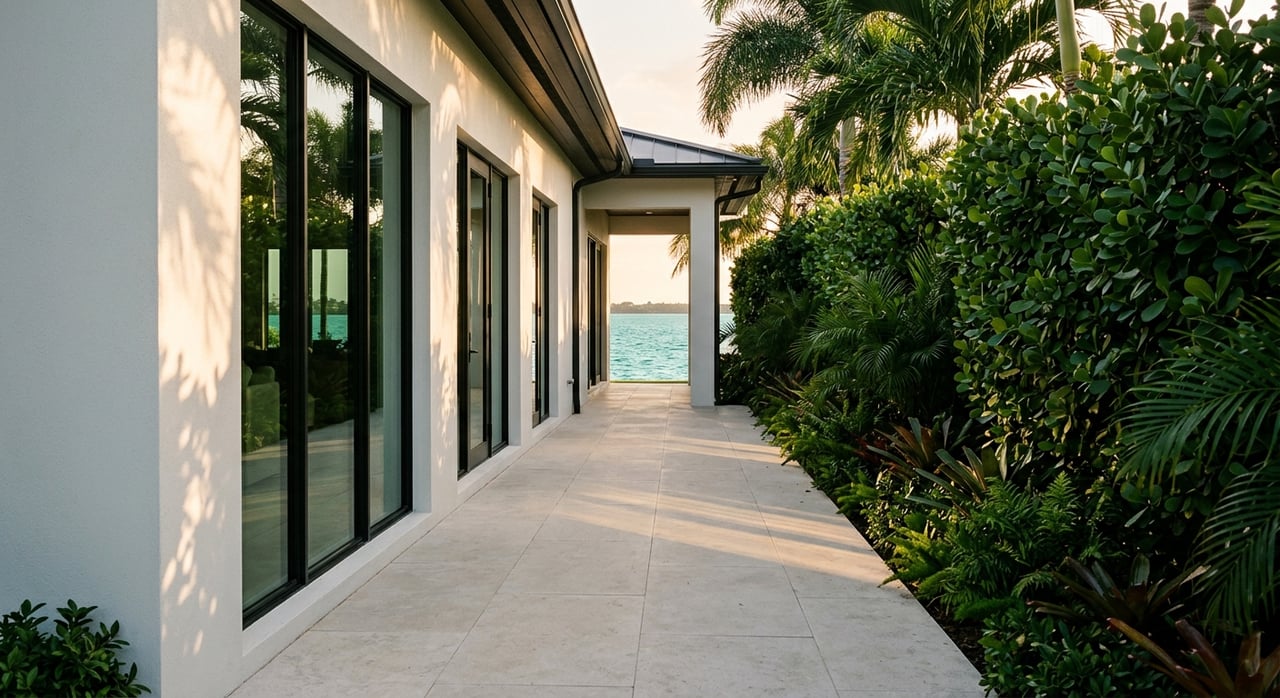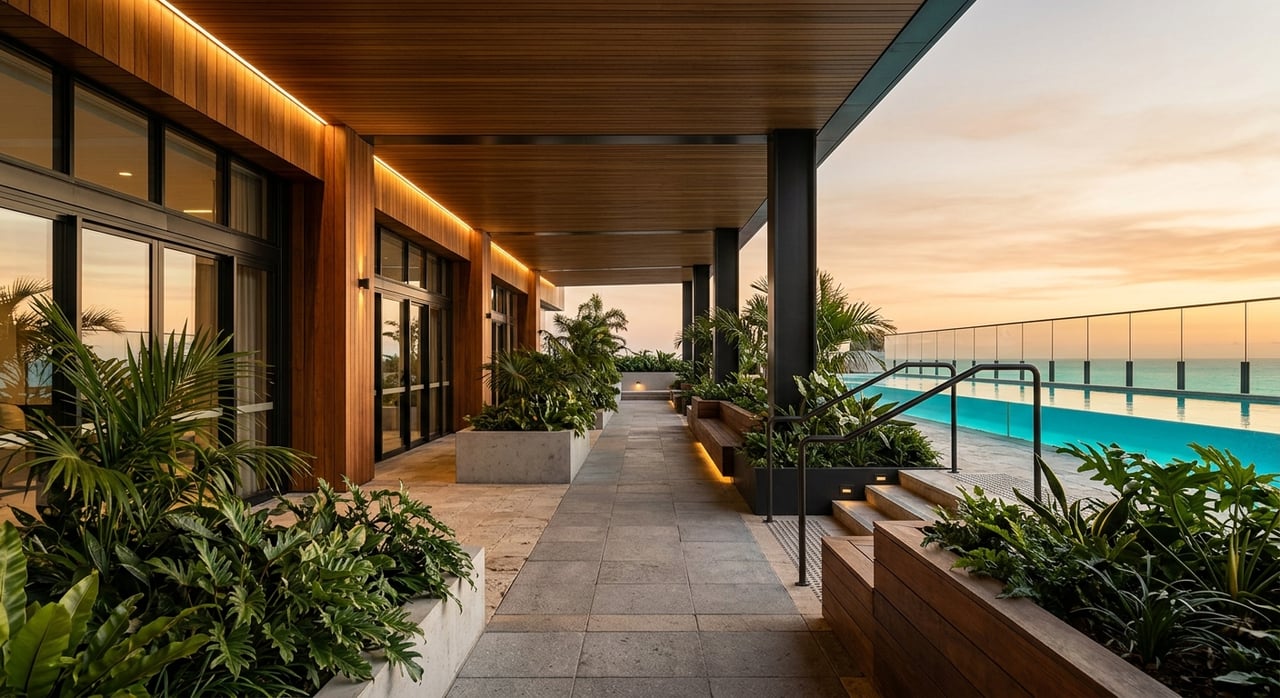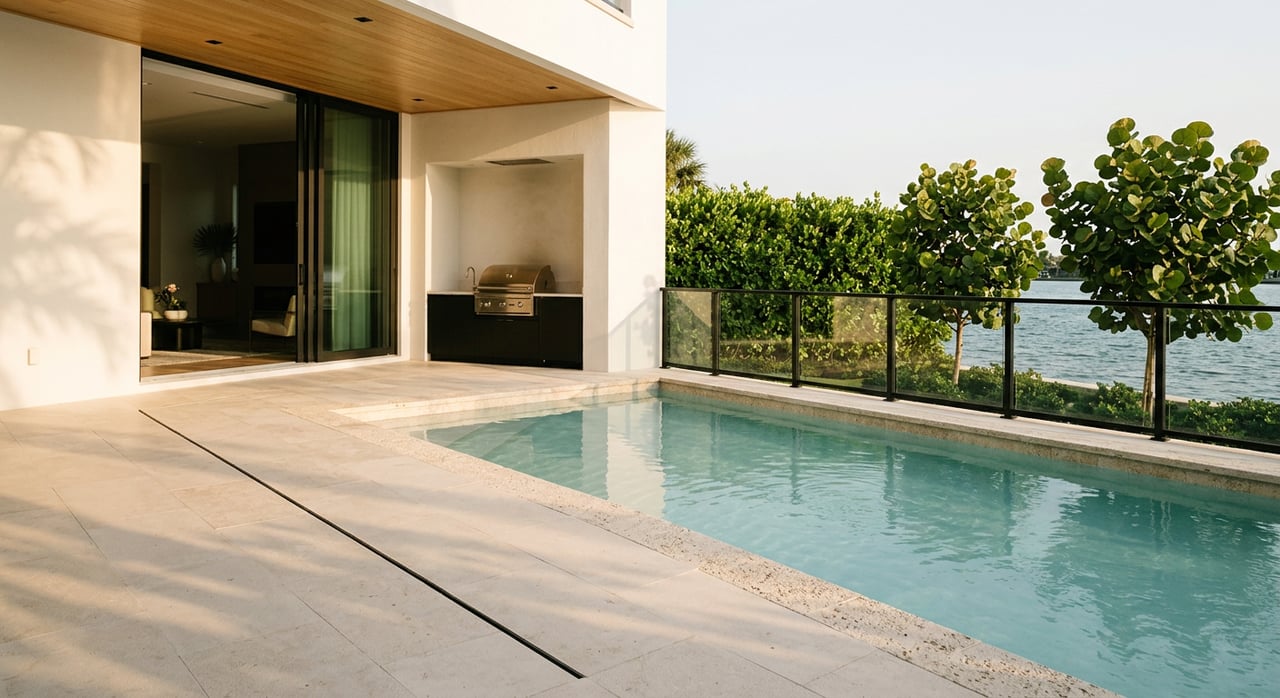
If you love the idea of waking up on the bay and being minutes from both Downtown Miami and South Beach, the Venetian Islands deliver that rare mix. Choosing the right island is the key. Each one feels a little different, offers distinct views, and sits under either the City of Miami or the City of Miami Beach. In this guide, you’ll pinpoint which island fits your lifestyle, understand practical checks like flooding and bridge work, and plan smart next steps. Let’s dive in.
Venetian Islands at a glance
The Venetian Islands are a chain of man‑made islands in Biscayne Bay that link the mainland to Miami Beach. From west to east, they are Biscayne Island, San Marco Island, San Marino Island, Di Lido Island, Rivo Alto Island, and Belle Isle. Nearby Flagler Monument Island is uninhabited. For a quick orientation and the municipality split, see the overview of the Venetian Islands on Wikipedia.
All six inhabited islands fall within ZIP code 33139, yet they do not share the same city. Biscayne Island and San Marco are in the City of Miami, while San Marino, Di Lido, Rivo Alto, and Belle Isle are in the City of Miami Beach. That split can affect permitting, local services, and property tax bills, so confirm the jurisdiction on any property you tour.
Typical elevations are low across the chain. Many parcels sit roughly 0 to 3 feet NAVD, which makes flood due diligence essential. You can cross‑check mapped elevations with USGS topographic resources like the USGS quad map via YellowMaps and visualize scenarios with NOAA’s Sea Level Rise Viewer.
How to choose your island
Biscayne Island
- Feel: Closest to the mainland, with a more mixed profile of condo buildings, townhomes, and some single‑family pockets. You’ll feel a faster hop to Brickell and I‑95.
- Homes and views: Many apartments and condos, often with sweeping bay and downtown skyline views on the west side.
- Best fit: You want the island address and views, prefer lower‑maintenance ownership, and value the shortest mainland commute.
San Marco Island
- Feel: Quiet and residential. The causeway passes through the island, but streets are calm and house‑scale.
- Homes and views: Primarily single‑family homes, many with docks. Western exposures pick up skyline sunsets.
- Best fit: You like discrete single‑family living with easy access to Downtown Miami, and you want City of Miami jurisdiction for tax and permit consistency with your other holdings.
San Marino Island
- Feel: Residential and intensely waterfront, with many renovated or newly built high‑end homes. Streets feel peaceful and walkable.
- Homes and views: Midsize to large bayfront estates with pools and private docks. Western yards often capture broad water and sunset views.
- Best fit: You prioritize quiet, high‑end bayfront living with walkable proximity to Sunset Harbour and South Beach amenities.
Di Lido Island
- Feel: The largest in footprint, with a blend of grand waterfront mansions and newer contemporary rebuilds. A favorite among serious boaters.
- Homes and views: Larger lots than many neighbors, making room for substantial new builds and full‑size docks where permitted.
- Best fit: You want larger waterfront parcels, more design flexibility for new construction, and robust yacht capability subject to local rules.
Rivo Alto Island
- Feel: Architecturally polished, with restored mid‑century residences and showcase modern homes. Walkability to Sunset Harbour stands out, and the island is known for thoughtful streetscape details.
- Homes and views: Western lots deliver premier skyline sunset vistas. New luxury builds are often elevated and premium priced, as highlighted in local real estate features like this Rivo Alto showcase coverage.
- Best fit: You value showpiece architecture, daily walks to restaurants and wellness spots, and statement‑level bay and skyline views.
Belle Isle
- Feel: Most integrated with South Beach living. It features a central park, a strong condo presence, and immediate access to Sunset Harbour and Lincoln Road. Belle Isle began as a natural mangrove hammock before being reshaped, unlike its fully artificial neighbors.
- Homes and views: Many of the area’s condo towers sit here, plus a mix of smaller houses. Higher floors capture panoramic bay and city views, and the park adds daily convenience.
- Best fit: You want the Venetian Islands address with condo‑style maintenance and a strong amenity lifestyle. For quick context, see Belle Isle’s background on Wikipedia.
Practical buyer checks
Flood, elevation and insurance
These islands are low‑lying, and many parcels sit in FEMA flood zones like AE. Before you write an offer, request the property’s Elevation Certificate, ask about past flood or moisture events, and review seawall condition. Use FEMA’s official Flood Map Service Center to confirm the flood zone, then obtain flood and wind insurance quotes early in the process.
Newer construction often elevates living areas and incorporates engineered seawalls. Ask for structural, marine, and engineering reports, plus the local permit history, for an accurate picture of resilience investments.
Boating, docks and seawalls
Dock depth, bridge clearance, and shoreline permitting rules drive what size boat you can keep. Confirm any dock permits on file, setbacks, and riparian rights before closing. If you plan for a larger vessel, pair a marine survey with a discussion about bridge clearances and channel depths. The planned causeway bridge replacements are expected to raise vertical clearances on certain spans, as outlined in the FDOT project materials, which may influence future navigation.
Causeway access and bridge work
The Venetian Causeway is the spine of the islands. It is popular with runners and cyclists and provides your only direct link across the chain by car. Miami‑Dade County and FDOT have advanced design and planning to replace multiple bridge spans to improve resilience and clearance, with reporting noting budgeting in the roughly 100 to 150 million dollar range. For a sense of scope and timeline, review the FDOT PD&E newsletter and county records of related funding activity on the Miami‑Dade commission agenda site, as well as local press like Miami Today’s coverage of the project.
Construction will be phased. Expect periods of lane restrictions and changes to bike and pedestrian access during work windows. If you are timing a renovation or extended travel, verify the latest schedule for spans adjacent to your prospective property before closing.
Taxes, zoning and permits
Two islands sit in the City of Miami, and four are in Miami Beach. That affects your property tax rate, code enforcement process, and in some cases utility or service coordination. Confirm the city jurisdiction on the tax bill and request recent permits for any additions, docks, or seawall work.
If you plan a major remodel or rebuild, ask early about design review, height, and elevation requirements. Miami Beach in particular runs design review processes that guide architecture and resilience features for new construction.
Lifestyle and walkability
A major draw is proximity to Sunset Harbour, Lincoln Road, and South Beach. Rivo Alto and Belle Isle offer especially strong walkability to neighborhood parks and daily amenities. Mornings and weekends see steady running and cycling on the causeway, shaping a quieter, resort‑like rhythm across the chain.
A quick island short‑list
Use this as a fast filter before you book tours:
- Prefer condos and immediate mainland access: start with Biscayne Island.
- Want single‑family in the City of Miami: look at San Marco.
- Focused on private bayfront living with walkable access to Sunset Harbour: shortlist San Marino and Rivo Alto.
- Need larger lots and serious boating: prioritize Di Lido.
- Want condo convenience and park life at the Miami Beach gateway: choose Belle Isle.
Your due‑diligence checklist
- Confirm the property’s city jurisdiction and review recent property tax bills.
- Obtain the Elevation Certificate, flood‑loss history, and a current seawall report.
- Verify dock permits, setbacks, and riparian rights. Order a marine survey if you plan to berth a boat.
- Pull FEMA flood zone data and secure flood and wind insurance quotes in advance.
- Check bridge clearance and channel depth against your boat needs. Review FDOT project updates on planned span replacements.
- Ask the city about any planned public‑works projects that could affect streets, parks, or the causeway.
- Confirm school zoning and municipal services if relevant to your plans.
- For major remodels or rebuilds, discuss design review and elevation requirements with your architect and the city.
- Visit at different times of day and week to gauge traffic, noise, and bike or run activity.
Next steps
If a particular island already resonates, the next move is a targeted tour and an early look at flood, dock, and permitting files for the short‑list homes. That way you compare lifestyle and long‑term resilience side by side. If you are purchasing from out of town or planning to keep a boat, build those details into your offer timeline from day one.
You deserve an advisor who lives and breathes Miami’s waterfront. For a curated tour of the Venetian Islands and discreet access to off‑market opportunities, book an appointment with Sebastien Sabet. If you are an absentee owner or investor, Barnes International Management can also provide turnkey property management after closing.
FAQs
Which Venetian Islands are in Miami vs. Miami Beach?
- Biscayne Island and San Marco are in the City of Miami, while San Marino, Di Lido, Rivo Alto, and Belle Isle are in the City of Miami Beach, as outlined on the Venetian Islands overview.
Are Venetian Islands homes oceanfront or bayfront?
- They are bayfront homes on Biscayne Bay, not Atlantic oceanfront; you get direct bay access, skyline views, and docks, with ocean beaches a short drive east on Miami Beach.
How will causeway bridge replacements affect daily life?
- Expect phased construction with periodic lane and access changes; review the FDOT project newsletter and check schedules before closing or planning renovations.
Is flood insurance typically required on the islands?
- If you have a federally backed mortgage and the NFIP map requires it, yes; even when not mandated, most buyers secure flood and wind coverage. Verify your zone on FEMA’s Flood Map Service Center and request the Elevation Certificate.
Which islands are best for walkability to South Beach amenities?
- Rivo Alto and Belle Isle stand out for access to Sunset Harbour, Lincoln Road, and nearby parks, with Belle Isle Park and waterfront green spaces enhancing daily life.