Looking at Coral Gables homes through the lens of outdoor living can change the way you evaluate a property. In a market where architecture, landscape, and climate are closely connected, the backyard is rarely just extra space. If you want to understand what makes an outdoor area feel truly valuable in Coral Gables, this guide will help you spot the details that matter most. Let’s dive in.
Why outdoor living matters in Coral Gables
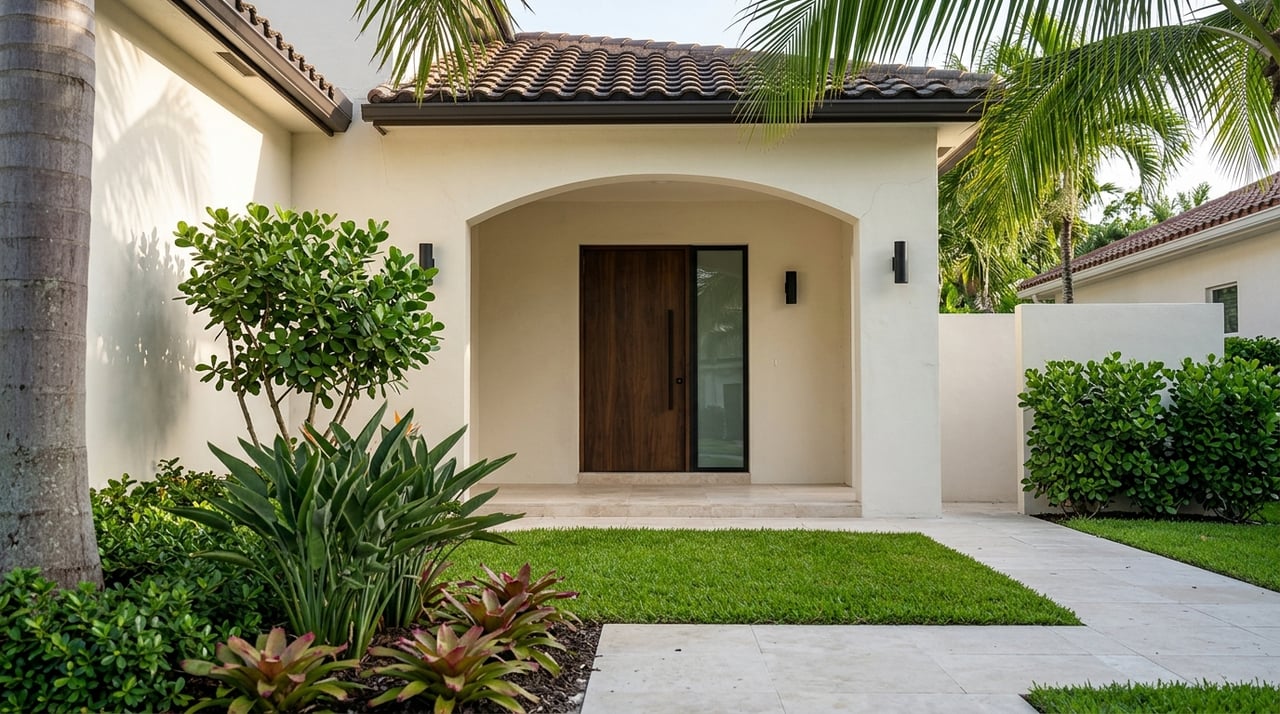
Coral Gables has a long-standing design identity that already leans toward outdoor living. The city presents itself as the City Beautiful, and its preservation approach protects both buildings and landscape elements as part of the same visual system. That means outdoor space often feels most successful when it looks like an extension of the home’s architecture, not a separate afterthought.
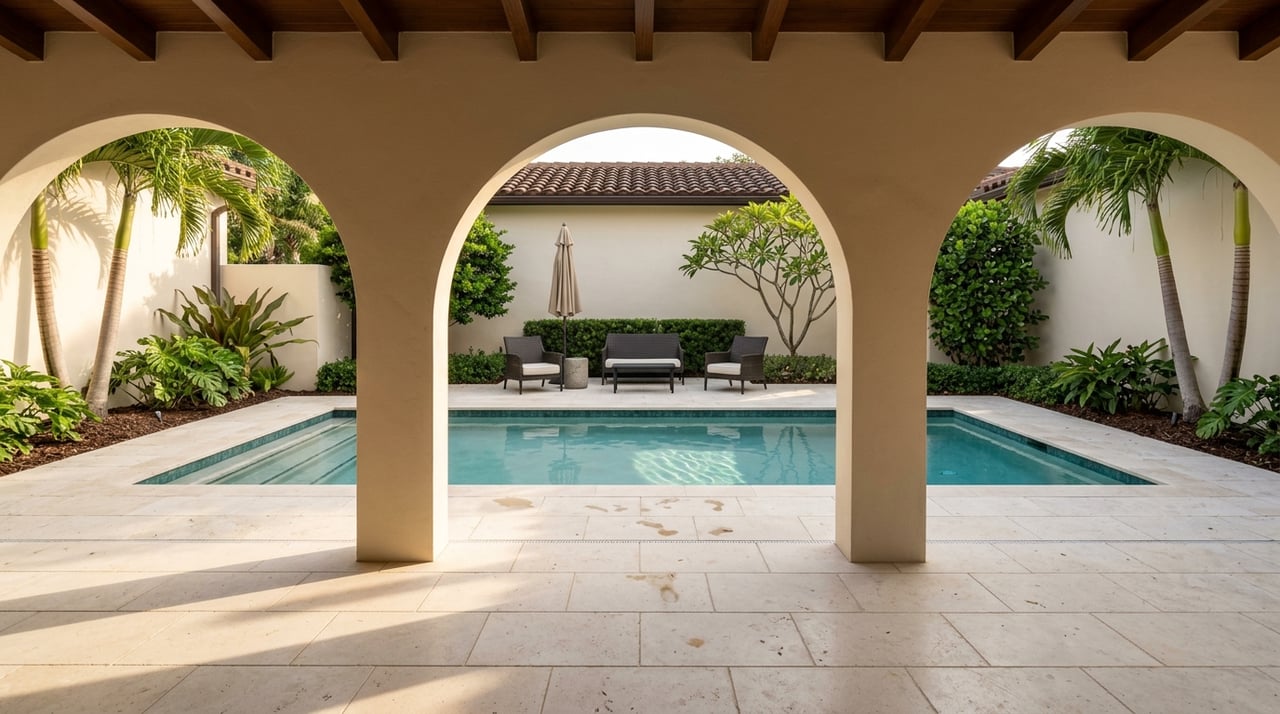
Historic landmarks across the city reinforce that pattern. Arcaded loggias, central courtyards, shady porticos, and vine-covered open-air spaces are part of Coral Gables’ built language. For you as a buyer or seller, that suggests a simple principle: outdoor areas often feel more natural here when they are garden-like, shaded, and architecturally integrated.
Climate shapes usable outdoor space
Coral Gables benefits from warm weather, but comfort depends on design. Using nearby Miami International Airport climate normals as a proxy, the annual mean temperature is 77.5°F, with mean temperatures around 84°F in July and August. Annual precipitation is 67.41 inches, so heat and rain are both major factors when you think about how often an outdoor area can really be used.
South Florida’s rainy season runs from May 15 to October 15, and about 70% of yearly rainfall occurs during that period. High moisture, frequent showers, thunderstorms, and later-season tropical systems all affect how outdoor spaces perform. In practical terms, covered terraces, shaded seating areas, and well-drained surfaces usually offer more day-to-day value than wide-open patios with little protection.
What climate-friendly outdoor design looks like
When you tour homes in Coral Gables, it helps to look past surface staging and focus on function. The most usable outdoor spaces often include features that support comfort through changing weather.
Key signs of strong outdoor design include:
- Covered terraces or loggia-style seating areas
- Shade from mature trees or layered landscaping
- Smooth indoor-outdoor transitions
- Thoughtful grading and drainage
- Durable hardscape that can handle heat and rain
These elements do not just improve comfort. They also make the space feel more aligned with how Coral Gables homes are often best experienced.
Trees and canopy are major assets
In Coral Gables, mature landscaping can be one of a property’s strongest outdoor advantages. The city has more than 38,000 trees, has held Tree City USA status for 32 years, and reports that its tree succession plan added 3,000 trees and palms to the residential canopy. The city also states that tree pruning supports canopy growth, reduces heat over paved areas, and helps runoff absorption that can mitigate flooding.
That context matters when you assess a private yard. A mature canopy can create cooler, more comfortable outdoor living areas while also making the property feel established and visually grounded. In many cases, a shaded garden court or terrace may feel more compelling than a larger but more exposed backyard.
Why mature landscaping adds value
A strong landscape plan can make outdoor living feel intentional rather than unfinished. In Coral Gables, that often means preserving mature shade and layering in hardscape and planting that fit the home’s style.
If you are buying, pay attention to whether the trees frame the outdoor space well and whether the layout feels balanced. If you are selling, a well-maintained canopy and cohesive planting can help buyers see the yard as part of the home’s architecture, not just leftover land.
Design compatibility matters
Not every outdoor upgrade fits Coral Gables equally well. The city’s Board of Architects reviews visible exterior work and evaluates whether projects meet design-review standards related to color, materials, proportion, fenestration, and overall order. That review can apply to features such as pools, pavement, roof tiles, and building expansions.
For outdoor living, this means the best additions are usually the ones that look intentional and visually consistent with the property. A pergola, deck, pool area, or enclosure may be far more successful when it complements the home’s style instead of competing with it. In Coral Gables, buyers often respond strongly to outdoor spaces that feel original to the property, even if they were added later.
Outdoor features that often feel natural here
Because Coral Gables has such a distinct visual identity, certain outdoor elements tend to blend more comfortably into the setting. While every property is different, the following features often align well with the city’s character:
- Courtyards and garden courts
- Covered terraces
- Loggias and arcaded transitions
- Tree-shaded seating areas
- Pool settings that feel integrated with landscape and architecture
The goal is not simply to add more features. It is to create an outdoor environment that feels calm, useful, and connected to the home.
Permits can affect outdoor potential
Outdoor living potential is not just about what you can imagine. It is also about what can be approved. Coral Gables has separate permit categories for trellises and pergolas, decks, landscaping, screen enclosures, and pool-related work.
For example, pergola submissions must show setbacks and elevations, while screen enclosures require site, roof, and elevation drawings. Pool permits also require an approved safety barrier before the pool can be used or filled. If you are evaluating a home for future upgrades, it is smart to consider not only space but also the review and permit path involved.
Historic homes need extra attention
Historic properties can come with another layer of review. If a home is listed in the Coral Gables Register, exterior alterations are subject to Historic Preservation Board or staff review before building permits can be issued. The city also notes that historic owners may need zoning variances to maintain the property’s setting and architecture.
For you as a buyer, that does not automatically limit opportunity. It simply means outdoor changes should be planned with greater care. For sellers, historically compatible improvements can strengthen presentation because they show respect for the property’s character and the city’s design context.
How buyers can evaluate outdoor living potential
When you walk a property in Coral Gables, it helps to think beyond square footage. A smaller outdoor area with shade, coverage, and strong layout may be more usable than a larger open yard that feels hot, exposed, or disconnected from the house.
Ask yourself a few practical questions:
- Does the space offer shade at different times of day?
- Is there a comfortable transition from interior rooms to the outdoors?
- Do the landscaping and hardscape feel cohesive with the home?
- Is drainage likely to support year-round usability?
- Could future changes fit the city’s design and permit framework?
These questions can help you identify whether the outdoor space is simply attractive in photos or genuinely functional in real life.
How sellers can strengthen outdoor appeal
If you are preparing to sell in Coral Gables, outdoor presentation deserves real attention. Buyers here often notice whether a yard feels established, shaded, and tied to the architecture. A polished outdoor area can improve first impressions and help the home feel more complete.
Focus on improvements that make the space feel intentional. That can include cleaning and refining hardscape, maintaining healthy tree canopy, clarifying seating zones, and making sure landscape elements work with the home’s style. In this market, outdoor appeal is often strongest when it looks calm, timeless, and easy to enjoy.
Public amenities support the lifestyle story
Coral Gables’ outdoor appeal extends beyond private property lines. The city says it offers more than 60 parks and open spaces, along with well-known amenities such as the Venetian Pool and Fairchild Tropical Botanic Garden, which spans 83 acres. It also highlights outdoor-oriented destinations like the Shops at Merrick Park and Miracle Mile.
That wider setting adds to the value of a well-designed home environment. When buyers picture life in Coral Gables, they are often responding to a broader experience of greenery, open-air spaces, and walkable destinations. A home’s outdoor living area feels even more compelling when it reflects that same sense of place.
If you are buying or selling in Coral Gables, outdoor living should be evaluated with the same care as interiors, finishes, and floor plan. The most appealing spaces here are often not the most oversized or exposed. They are the ones that feel shaded, useful, and naturally connected to the home’s architecture and landscape. For tailored guidance on Coral Gables properties and how to assess outdoor value with a local perspective, book an appointment with Sebastien Sabet.
FAQs
What makes outdoor living space valuable in Coral Gables homes?
- Outdoor living space in Coral Gables often feels most valuable when it includes shade, architectural integration, mature landscaping, and weather-conscious features like cover and drainage.
How does Coral Gables climate affect backyard design?
- Coral Gables’ warm temperatures, high annual rainfall, and long rainy season make covered terraces, shaded seating areas, and durable surfaces more practical than fully exposed patios.
Do Coral Gables outdoor renovations require permits?
- Yes. The city has separate permit categories for features like pergolas, decks, landscaping, screen enclosures, and pools, each with specific submission requirements.
Are historic Coral Gables homes harder to update outside?
- Historic properties may require added review for exterior alterations, so outdoor changes often need to be planned carefully to match the home’s setting and architectural character.
Why are mature trees important for Coral Gables properties?
- Mature trees can improve shade, reduce heat over paved areas, support runoff absorption, and make an outdoor space feel more established and consistent with Coral Gables’ canopy-focused identity.