Falling for a historic home in Morningside is easy. The harder part is understanding what comes after the charm, especially if you are picturing quick cosmetic updates or a major redesign. If you are weighing a purchase in this part of Miami, it helps to know where renovation costs, review timelines, and preservation rules can shape the experience. Let’s dive in.
Why Morningside Feels Different
Morningside is generally bounded by Biscayne Boulevard and Biscayne Bay from NE 55th Street to NE 60th Street. The City of Miami describes it as one of the city’s most intact historic neighborhoods and its best surviving Land Boom-era suburb, with local historic designation in 1984 and National Register listing in 1992.
That historic identity is not just a label. The neighborhood was planned as a single-family enclave with controlled setbacks, masonry construction, and a strong landscape character. Its mature tree canopy and established streetscape still shape how the area looks and how homes are reviewed today.
What Architectural Styles You’ll See
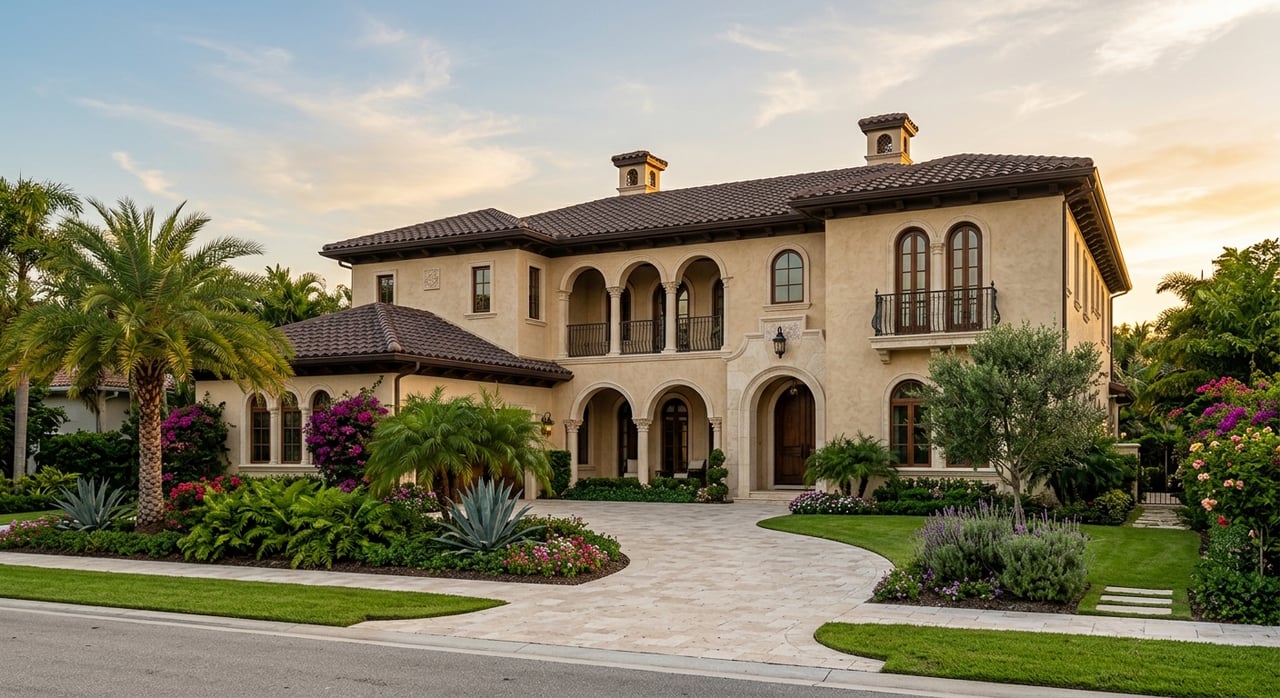
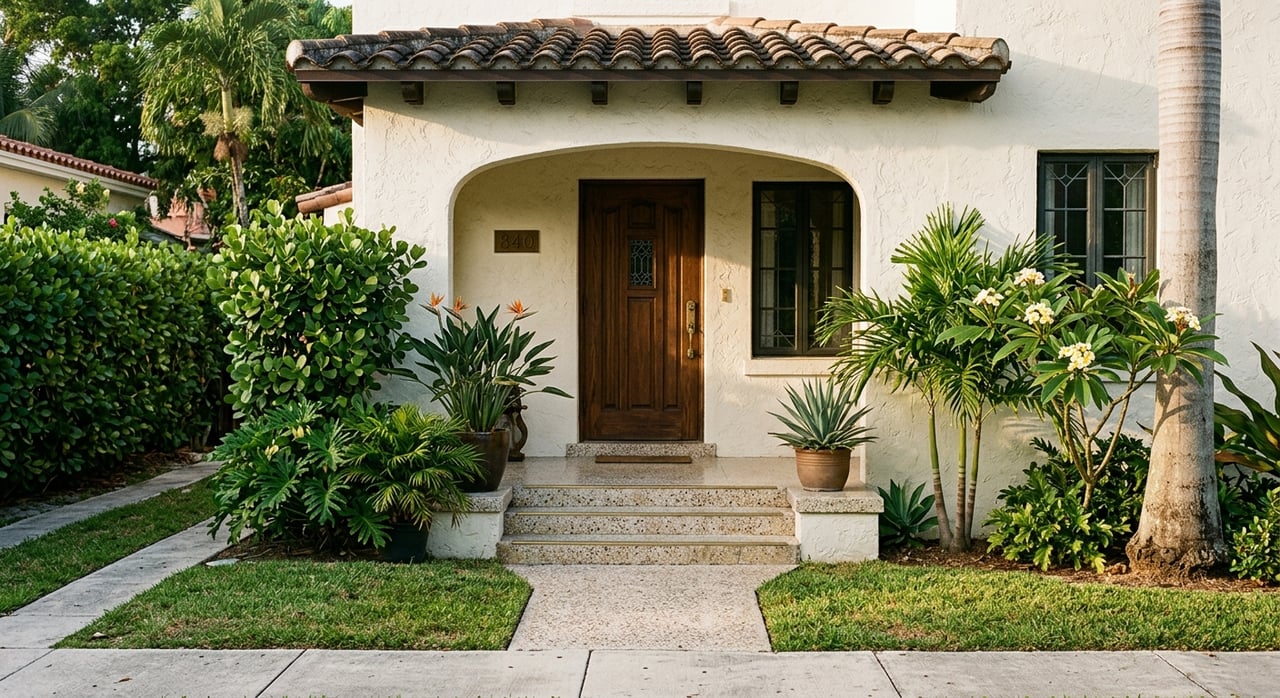
Morningside has a clear visual language, but it is not limited to one look. City guidelines identify Mediterranean Revival, Art Deco, Mediterranean/Modern transitional, and Ranch as the most common styles.
Mediterranean Revival homes often include stucco walls, barrel-tile roofs, arched openings, and wrought-iron details. Art Deco homes are more likely to feature smooth stucco, vertical massing, metal casement windows, and tropical detailing. Ranch homes tend to show low-pitched roofs, wider setbacks, garages, picture windows, and sliding glass doors.
That mix is part of the appeal. It also means renovation decisions should respond to the specific architecture of the house, not just your personal taste or the latest design trend.
What Renovation Really Means Here
In Morningside, renovation is not only about updating finishes. For many historic homes, the main pressure points are the exterior envelope and the visible features that define the home’s character from the street.
City materials note that many homes in the district have already seen changes over time. Common alterations include contemporary windows, newer doors, roofing changes, awnings, and enclosed porches, garages, or porte-cocheres. Even when the overall massing and setback remain intact, these details may still need review, documentation, or a more compatible replacement strategy.
If you are buying with plans to “fix it later,” this is the key mindset shift: in a historic district, seemingly simple exterior work can have design-review implications.
Inspection Issues Buyers Should Watch Closely
Historic homes can be deeply rewarding to own, but they usually ask for a more careful inspection process. In Morningside, age, climate, and preservation rules all matter.
One practical concern is termite activity. UF/IFAS notes that drywood termites commonly infest older homes and may be found in wood flooring, attics, window sills, doors, fascia boards, and even furniture. Subterranean termites follow moisture gradients and may enter through cracks or utility penetrations, especially where there is excess moisture from leaky plumbing, AC condensate, or similar sources.
Another reality is that damage is not always obvious during a first showing. Termite and moisture-related problems can stay hidden and only become visible during remodeling, probing, or selective opening of walls and finishes.
That does not mean you should avoid a historic home. It means you should budget time for a thorough inspection strategy and understand that renovation scope can expand once work begins.
The Exterior Items Most Likely to Affect Budget
In a Morningside historic home, the biggest budget and timing issues often come from exterior components. According to the district guidelines, these commonly include:
- Roofs
- Windows
- Exterior paint
- Stucco
- Fences and hedges
- Driveways and walkways
- Carports
- Pools
- Trees
These are not just maintenance categories. They are also the features most likely to trigger preservation review, revisions, or additional documentation.
For buyers, that creates a simple but important rule: if your renovation plan touches what people can see from the street, assume you may need more review than you would with a non-historic property.
How Historic Review Works in Miami
The City of Miami requires a Certificate of Appropriateness, or COA, for work on historic properties, including smaller projects such as window replacement. Standard COAs are generally used for repairs and minor alterations, while Special COAs are used for new construction, major additions, demolition, and substantial alterations.
The City also advises owners to speak with preservation staff before filing for a building permit. That matters because a building permit can be held until historic review is complete.
For larger projects, timing can stretch. The City states that a Special COA can take up to two months and requires review by the Historic and Environmental Preservation Board. Application packages may require items like a survey, site plan, sealed plans and elevations, landscape plan, materials page, paint samples, renderings, and photographs.
If an application sits inactive in ePlan for six months, it is considered abandoned. For a buyer planning post-closing work, that makes organization and early planning especially important.
Morningside Rules That Surprise Buyers
Many buyers expect rules for additions or demolition. Fewer expect design review on details that feel routine in other neighborhoods.
Paint Colors Need Review
Exterior paint requires COA review in Morningside, although staff can often approve colors administratively. The guidelines state that loud, brilliant, or fluorescent colors are not acceptable.
Windows Are a Major Decision
Window work must preserve the original design, opening sizes, pane configuration, profile, and reflectivity where possible. The guidelines also state that jalousie windows, single-light picture windows, and dark tinted or reflective glass are generally not acceptable unless historically documented.
Roof Changes Have Limits
Rooflines are generally expected to stay in place. Visible roof decks or solar equipment are generally discouraged, and tile roofs are expected to be retained or replaced in kind where possible.
Site Features Matter Too
Fences, walls, and hedges are expected to preserve views of the facade from the street. Chain-link fences facing the street are not allowed. Driveways and walkways should match original materials and dimensions where possible, and visible pools, ancillary structures, and carports may also require review.
Tree Removal Is Not Simple
Tree removal is governed by the City’s tree code and requires a permit. In Morningside, tree removals are also forwarded for Historic Preservation review.
Historic Home vs Newer Construction
For many buyers, the real decision is not whether Morningside is beautiful. It is whether a historic home fits the way you want to live and renovate.
Here is the clearest comparison:
| Option | What You Gain | What You Trade Off |
|---|---|---|
| Historic home in Morningside | Protected architectural context, mature tree canopy, strong streetscape continuity, original character | Less renovation freedom, more review, potentially longer timelines |
| Newer construction | Easier customization, faster permitting in many cases, simpler exterior changes | Less historic continuity and a different neighborhood feel |
If you value originality, preserved context, and the feeling of a neighborhood with a defined architectural identity, Morningside can be a compelling fit. If your top priority is maximum design freedom, a newer home may be easier to adapt.
Cost Trade-Offs to Understand Early
Compared with newer construction, a historic Morningside house often means less flexibility but more character. Likely cost drivers include preservation-quality materials, specialist trades, added documentation, and longer approval cycles.
That trade-off is balanced in part by the district’s protected streetscape and the City’s emphasis on compatible additions rather than wholesale replacement. Still, buyers should treat this as a planning reality, not a guaranteed financial outcome.
A smart approach is to underwrite both the visible work and the administrative side of renovation. In historic districts, time is part of the budget.
Potential Tax and Grant Incentives
There may also be upside if you are planning eligible restoration work. Miami-Dade County’s historic ad valorem exemption can reduce taxes on the added value created by qualifying restoration work.
This is not a full tax exemption. The county says it applies only to the county operating portion of taxes, and the property generally must be listed or locally designated and under restoration or rehabilitation, with the pre-construction application filed before work begins.
The City of Miami has also posted a Historic Preservation Grant Program for eligible exterior work such as roofs, windows, doors, stucco, walls, porches, and front steps. Because funding depends on the program cycle, buyers should view this as a possible benefit, not something to count on from day one.
How to Buy More Confidently in Morningside
If you are considering a historic home here, the best next step is not to guess. It is to compare the house you love with the renovation path it is likely to allow.
Start with the basics:
- Identify the home’s architectural style
- Review visible exterior elements carefully
- Ask whether prior alterations may need attention
- Plan for preservation review before permits
- Build extra time into your renovation calendar
- Budget for specialist materials and trades where needed
- Confirm whether any planned restoration work could qualify for local incentives
The right historic purchase is rarely the one with the easiest brochure story. It is the one where charm, rules, cost, and your goals still make sense together.
If you want help evaluating that balance in Morningside or anywhere in Miami-Dade, Sebastien Sabet offers neighborhood-focused guidance with hands-on renovation perspective and property stewardship insight.
FAQs
What makes a Morningside home historic?
- Morningside is a locally designated historic district in Miami, with designation dating to 1984 and National Register listing in 1992, and many homes reflect styles such as Mediterranean Revival, Art Deco, and Ranch.
Do Morningside historic homes need approval for window replacement?
- Yes. The City of Miami requires a Certificate of Appropriateness for work on historic properties, including window replacement.
Are exterior paint colors regulated in Morningside?
- Yes. Exterior paint requires COA review, though some color approvals can be handled administratively, and loud, brilliant, or fluorescent colors are not acceptable.
What inspection concerns matter most for older homes in Morningside?
- Buyers should pay close attention to moisture and termite risks, especially in areas like attics, wood flooring, windows, doors, fascia boards, and places affected by leaks or excess condensation.
Can you remove trees on a historic property in Morningside?
- Tree removal requires a City permit, and in Morningside those removals are also forwarded for Historic Preservation review.
Are there tax benefits for restoring a historic home in Miami-Dade?
- Possibly. Miami-Dade’s historic ad valorem exemption may reduce taxes on the added value created by eligible restoration work if the required application is filed before work begins.